Noah Medical Advances Robotic Bronchoscopy for Earlier Lung Nodule Diagnosis
09 October 2026 | Interaction | By Editor Robotics Business NEWS <editor@rbnpress.com>
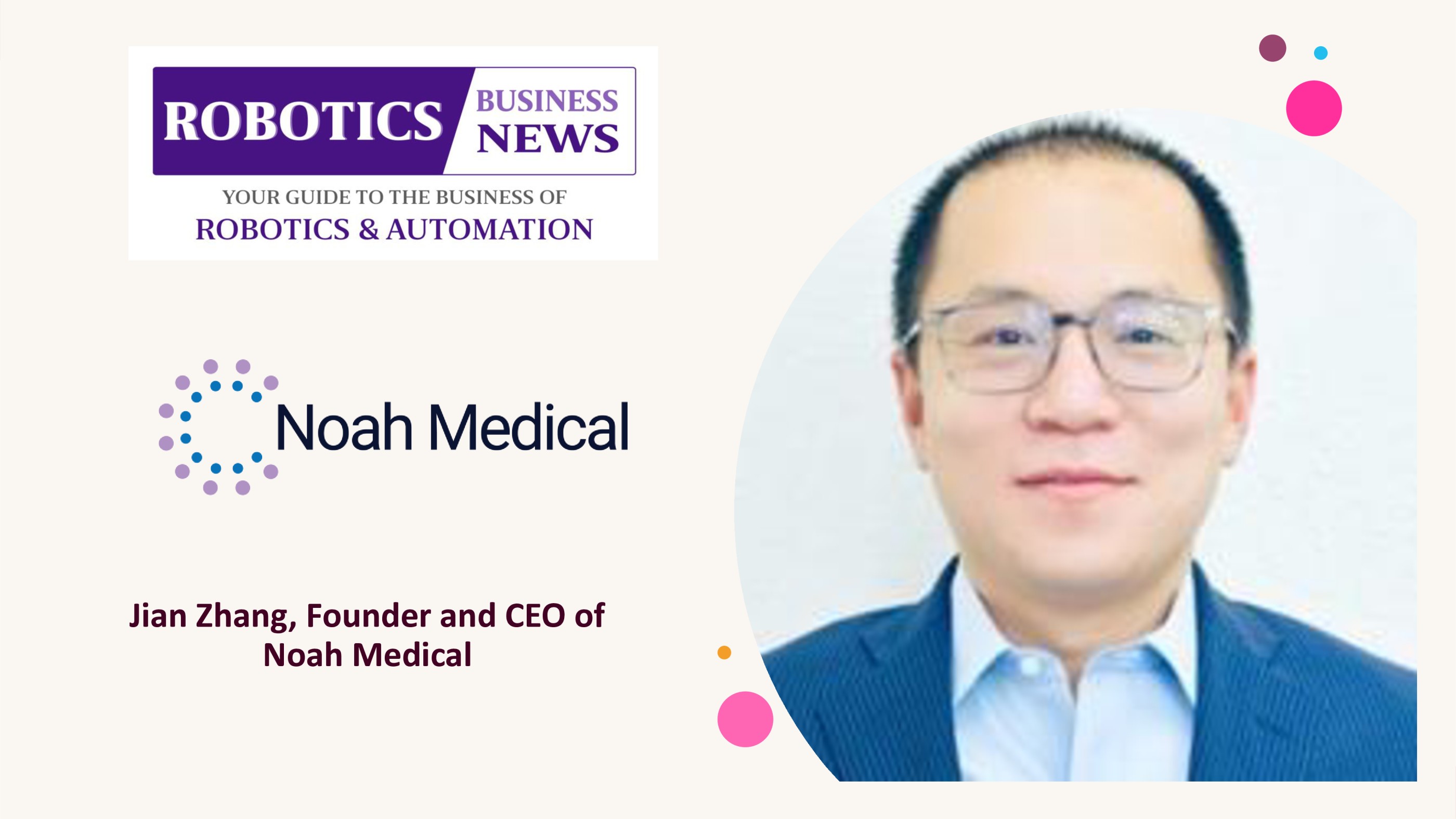
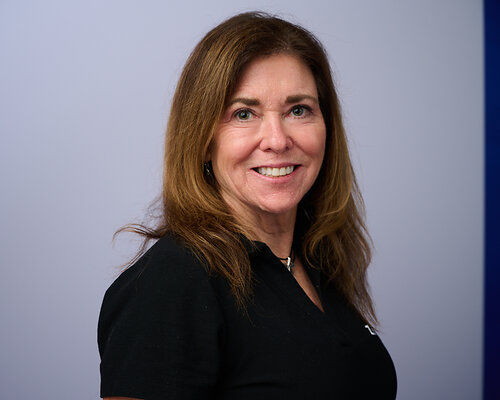
Jian Zhang, Founder and CEO of Noah Medical, discusses robotic navigation, real-time imaging and expanding access to advanced lung-nodule diagnosis.
Robotics Business News spoke with Jian Zhang, Founder and CEO of Noah Medical, about the growing role of robotic bronchoscopy in diagnosing small and difficult-to-reach lung nodules. Zhang discusses how the Galaxy System combines robotic navigation, real-time visualization and advanced imaging to help physicians obtain tissue samples with greater precision.
The conversation also explores clinical results, physician experience, patient safety and the deployment of the Galaxy System at Adventist Health Bakersfield. Zhang explains how robotics, AI, advanced imaging and real-time navigation could create more connected diagnostic and treatment workflows while expanding access to advanced pulmonary care beyond major metropolitan centers.
Earlier Diagnosis: What does bringing the Galaxy System to Kern County change for physicians trying to diagnose small or difficult-to-reach lung nodules, and how could this affect the patient journey?
Before Adventist Health Bakersfield brought in the GalaxyTM System, physicians in Kern County who found small or peripheral lung nodules, the kind standard bronchoscopes often struggle to reach, typically had two options: refer the patient to a larger metro center, or take a watch-and-wait approach. Neither is ideal when early detection is so closely tied to lung cancer survival rates.
For patients, the practical effect is a shorter, simpler path: the workup that used to require a referral out of town can now start and finish at a local hospital. That means one fewer handoff, less travel, and often a faster route from "abnormal scan" to an actual answer.
Robotic Precision: How does the Galaxy System's real-time visualization and robotic navigation help physicians confidently reach a target and obtain a tissue sample?
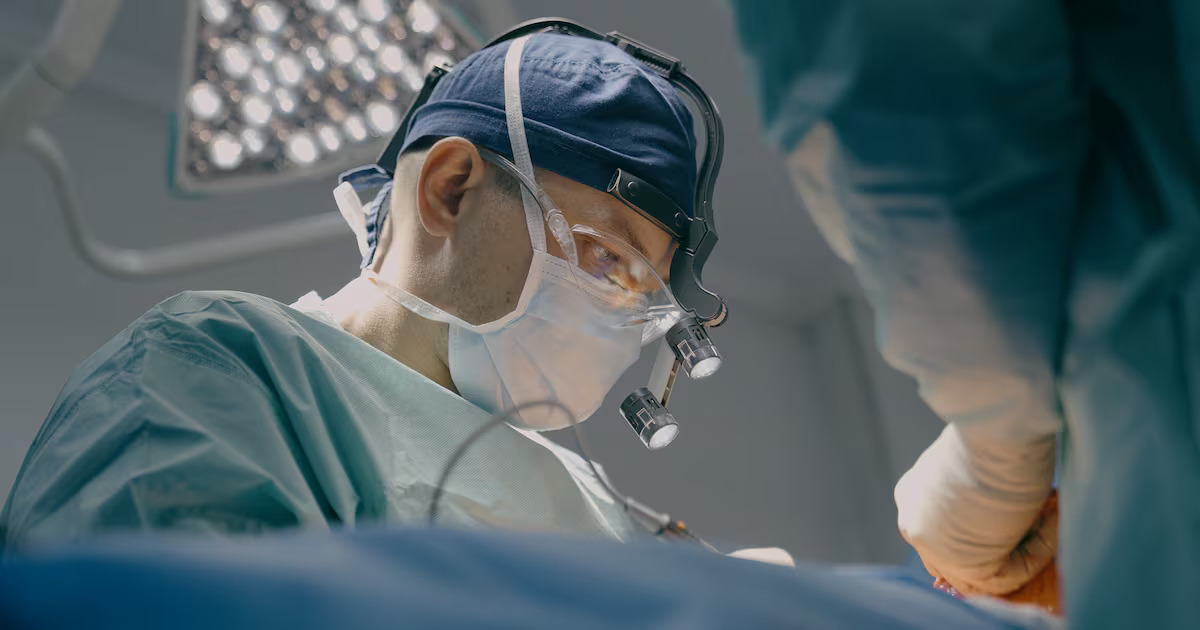
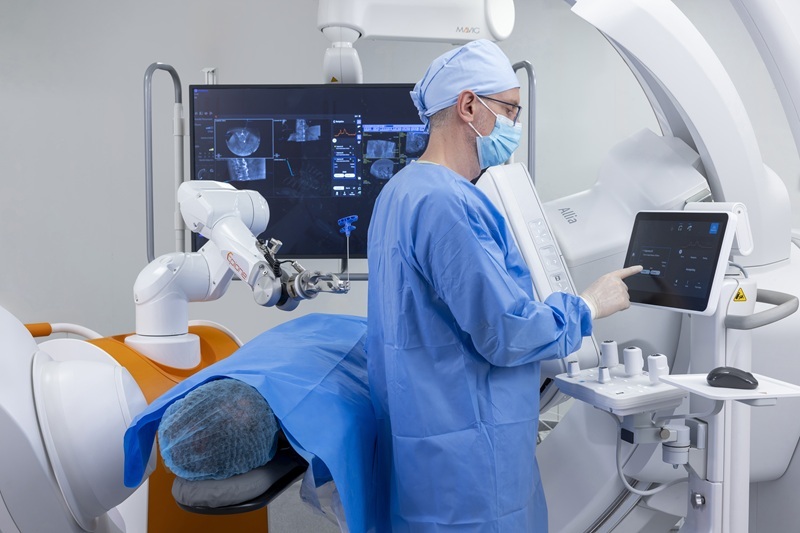
The Galaxy System combines robotic-assisted navigation with always-on visualization and real-time imaging, helping physicians navigate to peripheral lung lesions and confirm their biopsy tool is in the correct tissue before obtaining a sample. Its integrated High-Definition Digital Tomosynthesis (HD-DTTM Imaging) and augmented fluoroscopy provide real-time guidance throughout the procedure. Together, these capabilities and others provide greater visibility and control at critical points in the procedure, supporting confident, precise tissue acquisition and diagnosis.
Clinical Results: The MATCH 2 multicenter study reported a 96.7% diagnostic yield. What insights from these clinical results are most important when evaluating the technology's potential in everyday clinical practice?
MATCH 2 is among the strongest independent evidence we have of how well this technology performs in practice. Researchers followed 31 patients with small, hard-to-reach lung nodules at two hospitals. The Galaxy System successfully navigated to every single nodule, and physicians confirmed the biopsy tool was in the right spot before taking a sample in 96.7% of cases. In the end, doctors were able to reach a diagnosis for 30 of the 31 patients, meaning most patients got a clear answer from a single procedure, without needing to come back for a repeat biopsy. The safety profile was also reassuring with rare complications and no major bleeding events or deaths.
Overall, the study illustrated that combining robotic navigation with real-time imaging can help physicians hit small, difficult targets accurately and get patients answers faster.
From Detection to Diagnosis: Finding a suspicious lung nodule is only the beginning. How can robotic bronchoscopy help reduce the time between identifying a nodule, obtaining a biopsy and establishing a diagnosis?
Robotic bronchoscopy can help shorten the time from nodule detection to tissue diagnosis by enabling diagnosis of smaller lesions in more difficult to reach locations. This means physicians do not have to “watch and wait” as much and can get answers to patients faster.
The Galaxy System enables physicians to navigate anywhere in the lung and provides real-time visualization of the tool and lesion to ensure a successful biopsy. By providing greater visibility and control during the procedure, the system can support successful tissue acquisition during the initial procedure and may reduce the need for repeat procedures. Ultimately, this helps physicians move their patients more efficiently through the pathway from identifying a suspicious nodule to establishing a diagnosis and treatment plan.
Physician Experience: More than 15,000 Galaxy procedures have been performed across more than 60 U.S. hospitals. What have physicians learned from this growing real-world experience, and how is that feedback shaping the next generation of the platform?
Noah Medical continuously gathers feedback from physicians and care teams using the Galaxy System, creating a real-world learning loop that helps us understand how the platform performs across different procedures, patient populations, and clinical settings. That experience provides valuable insight into where physicians see opportunities to improve imaging, navigation, and control.
This feedback directly informed the development of the Galaxy II software, released in August 2026. The software builds on the foundation of the Galaxy System with advancements designed to give physicians greater imaging flexibility and procedural control. By bringing insights from everyday clinical use back into product development, Noah Medical can continue evolving the platform around the needs of physicians and their patients.
Patient Safety & Efficiency: The Galaxy System uses a single-use bronchoscope and is designed to optimize imaging and radiation exposure. How are these features influencing procedural safety, efficiency, and the overall patient experience?
The Galaxy System’s single-use bronchoscope is designed to support procedural consistency and efficiency by eliminating the need to reprocess the scope between procedures. Because each procedure uses a new scope, physicians can have confidence in consistent scope performance without concerns related to scope degradation over repeated use, while eliminating risks associated with inadequate reprocessing and potential cross-contamination.
The system’s imaging algorithms are designed specifically for the lung. The system optimizes image quality and eliminates artifacts, enabling physicians to identify lesions with fewer, lower-resolution images. Fewer, lower-resolution X-ray images translate directly to lower radiation dose. These benefits are felt both by the patients and the providers who are in the room with the patient.
These imaging optimization features also drive procedural efficiency. Data shows that using a Cone-Beam CT (the highest image quality available for lung biopsy procedures) can add up to 22 minutes per case. By leveraging the Galaxy System’s advanced imaging algorithms, physicians can complete many cases without relying on Cone-Beam CT, significantly reducing procedure times.
Ultimately, the goal is to support more precise procedures that can help patients get answers sooner and, when appropriate, move more quickly to the care they need.
Expanding Access: What does the deployment at Adventist Health Bakersfield mean for equitable access to advanced lung-nodule diagnosis in communities outside major metropolitan medical centers?
The deployment of the Galaxy System at Adventist Health Bakersfield brings advanced robotic-assisted bronchoscopy closer to patients in the Central Valley and surrounding communities. Previously, some patients may have needed to travel to larger metropolitan centers, such as Los Angeles, Fresno, or the Bay Area, to access certain advanced diagnostic capabilities.
Expanding access to this technology locally can help reduce geographic barriers to care by giving physicians in community settings additional tools to evaluate and diagnose peripheral lung nodules. For patients, having these capabilities closer to home can mean less travel, fewer logistical barriers, and a more convenient path to diagnosis. Ultimately, the goal is to help more patients get the answers they need closer to home, so they can move forward with the right care as quickly as possible.
Future of Robotic Pulmonology: Looking ahead, how do you see robotics, AI, advanced imaging, and real-time navigation transforming the diagnosis and treatment of lung disease over the next five years?
Over the next five years, we expect robotics, AI, advanced imaging, and real-time navigation to reshape how physicians diagnose and manage lung disease. These technologies will become increasingly connected, giving physicians more information before and during procedures and greater precision in reaching and confirming targets.
AI-assisted nodule detection and pre-procedure planning could become more closely integrated with navigation, helping physicians identify targets and plan procedures with greater precision. During procedures, continued advances in real-time imaging and navigation could provide more accurate target confirmation while helping optimize radiation exposure.
We see strong potential for more integrated, single-session workflows. As technology and clinical evidence continue to evolve, diagnosis and, when clinically appropriate, localized treatment could increasingly be addressed within the same procedure rather than requiring separate visits.
Just as importantly, these technologies are becoming more accessible beyond major academic medical centers and into community and regional hospitals. As platforms mature and clinical experience grows, broader adoption could bring advanced diagnostic and treatment capabilities closer to where patients live and receive care.
Ultimately, the opportunity is to make the entire journey, from detection to diagnosis to treatment, more precise and connected, helping physicians make better-informed decisions and allow patients to receive the answers and care they need sooner.