India’s AI Evolution Enters the Agentic Era: Driving Enterprise Transformation with Accountability
From assistive tools to autonomous digital teammates, India’s AI journey is redefining enterprise operations through Agentic AI, Responsible AI 2.0 frameworks, and sovereign innovation strategies.
Image Courtesy: Public Domain
India’s Artificial Intelligence (AI) journey has entered a defining phase. The debate is no longer about its potential, but about how effectively AI can be embedded into the core of enterprise operations. As the nation advances toward becoming a global AI powerhouse, the shift is clear: from assistive AI tools to Agentic AI—autonomous systems capable of functioning as digital teammates and managing complex workflows with minimal intervention.
Crucially, human oversight remains central, ensuring that AI-driven systems are accountable, ethical, and aligned with enterprise objectives.
The Strategy: Autonomy with Accountability
India’s approach is rooted in an “AI diffusion” strategy—embedding AI across sectors at a population scale. Enterprises are building applications tailored to India’s multilingual, diverse, and sector-specific needs, accelerating adoption across the economic landscape. As AI systems gain greater autonomy, accountability becomes non-negotiable. Organisations must address challenges related to data governance, cybersecurity, regulatory compliance, and legacy system integration. Yet the momentum is unmistakable. Enterprises are capturing measurable value from AI - enhancing productivity, strengthening decision-making, and unlocking sustainable growth.
Responsible AI 2.0: From Trust to Assurance
The next evolution—Responsible AI 2.0—demands more than intent; it requires demonstrable assurance. Enterprises must move from broad statements to transparent governance frameworks built on active monitoring, documentation, audit trails, and independent validation. AI is no longer a support function - it is the architect of enterprise transformation. The organisations that master autonomy with accountability will define India’s next phase of growth.
Top Trends Driving AI Evolution
AI adoption is now across enterprise use cases such as customer service, cybersecurity and fraud detection, digital assistants, CRM optimisation, inventory management, predictive analytics, and content creation. As AI capabilities mature, organisations must track emerging trends to sustain competitive advantage and drive enterprise-wide transformation.
Agentic AI - It marks the next frontier - intelligent systems capable of acting independently, making decisions, adapting to outcomes, and executing complex workflows with minimal human intervention. These systems learn from patterns, refine performance over time, and operate across functions and industries.
Conversational AI - This has evolved from rule-based chatbots to sophisticated, context-aware systems capable of handling complex, repetitive tasks. It is transforming enterprise communication - internally, with stakeholders, and with customers. Emerging applications include:
- Virtual shopping assistants
- AI-driven onboarding workflows
- Administrative task automation
- Intelligent customer engagement platforms
Generative AI – Search platforms are evolving through AI-generated responses integrated with monetisation models, positioning Generative AI as the next evolution of search. Applications extend across industries, including:
- AI-generated marketing content
- Automated design prototyping
- AI-assisted coding and documentation
Predictive Analytics – AI-powered predictive analytics enables organisations to anticipate demand, optimise inventory, cut operational costs, and improve revenue forecasting. By detecting trends and anomalies early, businesses may make faster, data-backed strategic decisions.
Intelligent Tasks Automation - AI-driven automation now handles up to 70% of routine, rule-based processes in several areas, freeing teams to focus on strategy, creativity, and innovation. Use cases include:
- Marketing content generation
- Resume screening in HR
- Customer query resolution
- Workflow orchestration
Software Development Tools - AI has become an accelerator in software engineering. From “vibe coding”—where developers describe concepts, and AI translates them into functional code—to automated testing and documentation, AI is remodelling development lifecycles. Emerging capabilities include:
- Requirement analysis by NLP
- Code suggestions and auto-completion
- Automated debugging and testing
Cybersecurity – AI is strengthening cybersecurity through immediate threat detection, anomaly identification, and automated response systems. These systems spot suspicious patterns faster than traditional security models. Applications include:
- Biometric authentication and facial recognition
- AI-driven threat hunting
- Intelligent surveillance systems
- Fraud detection and prevention
Sentiment AI – It represents one of the most advanced AI & ML trends involving systems that analyse emotions through text, voice, and facial expressions to adapt responses in real time. This trend is changing customer-centric industries by embedding emotional intelligence into digital systems. Applications include:
- Customer support systems that detect displeasure or satisfaction
- Emotion-driven marketing campaigns
- Mental health monitoring tools that identify distress signals
Multi-modal AI – It processes text, images, audio, and video simultaneously, enabling richer contextual insight. Enterprises are leveraging Multi-modal AI to improve:
- Natural language comprehension
- Visual analysis
- Voice recognition
- Customer experience design
Digital Twins – The technology creates virtual replicas of physical assets, systems, or processes to monitor, simulate, and optimise performance in real time. It is increasingly used in:
- ESG modelling
- Smart city planning
- Manufacturing optimisation
- Drug discovery and design, etc.
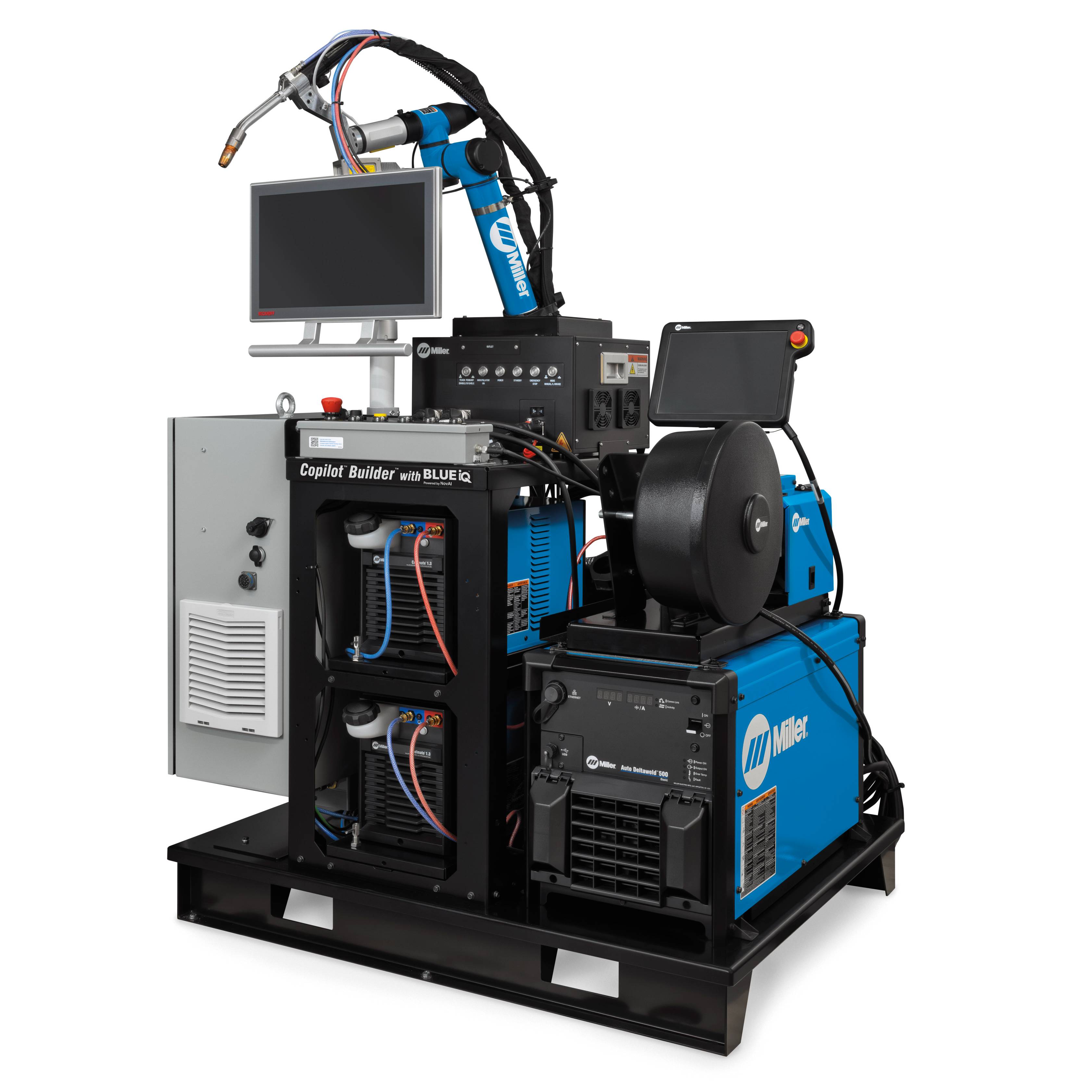
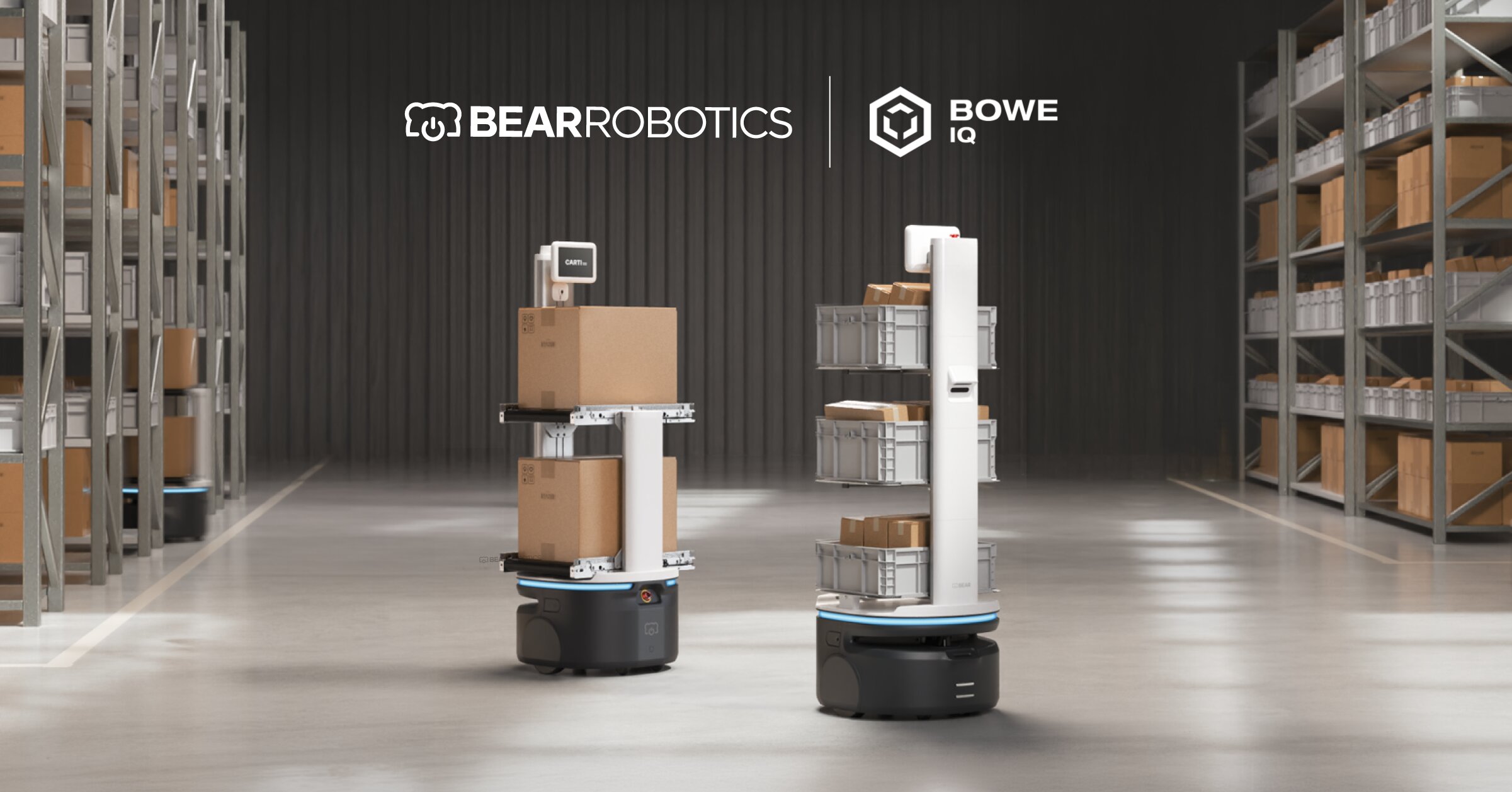
Collaborative Robots – Cobots are designed to work alongside human employees, raising productivity, precision, and workplace safety. From manufacturing floors to logistics hubs and healthcare facilities, they are augmenting human abilities - handling repetitive, hazardous, or high-precision tasks while empowering workers to focus on supervision, strategy, and value-added functions.
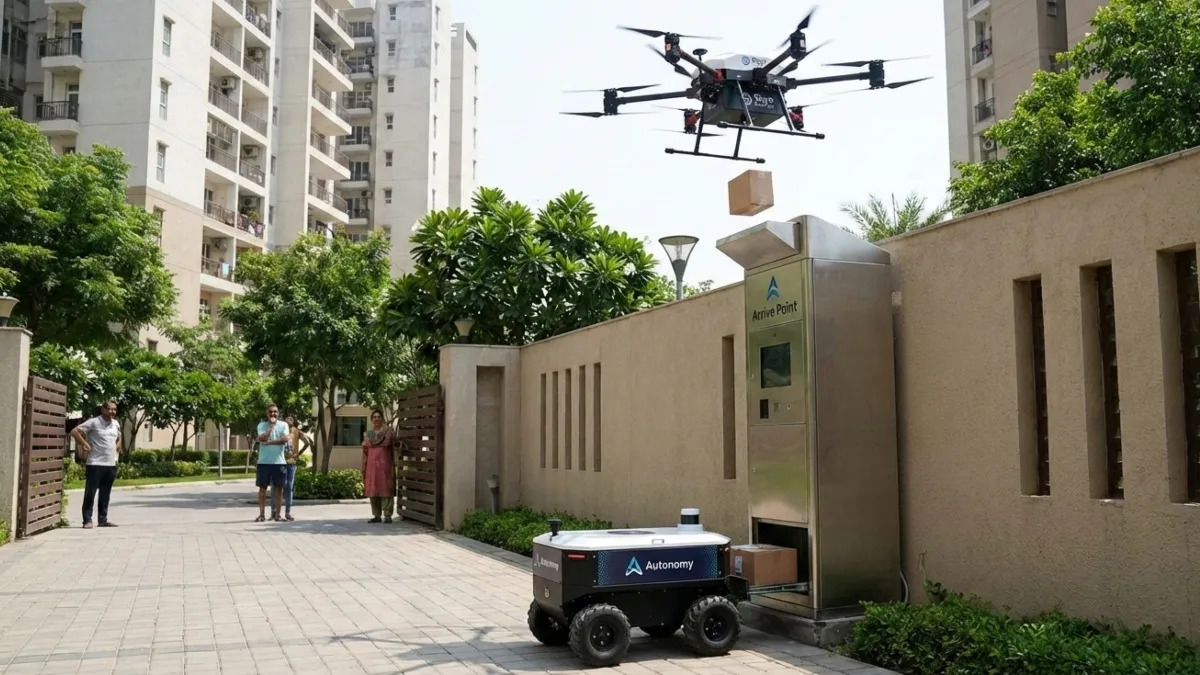
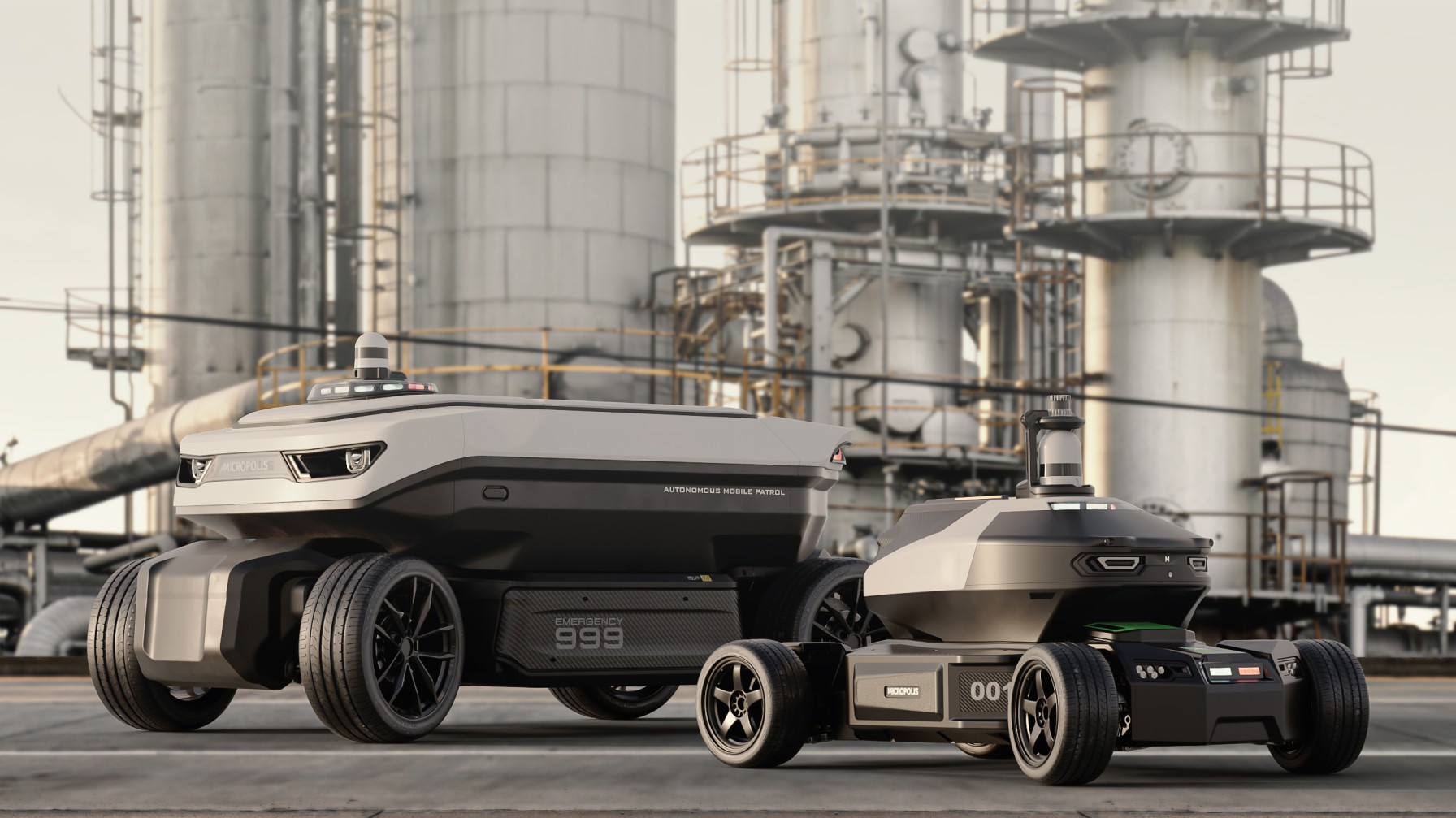
Physical and Embodied AI - Extending this evolution is this wider category of intelligent systems embedded in machines that can move, sense, and interact with the physical world. Robots, drones, autonomous cars, and self-driving machinery exemplify this shift.
Sovereign AI - At a geopolitical level, nations are investing heavily in Sovereign AI, to secure critical data, core models, and computing infrastructure, and to safeguard economic interest and national security. The United States and China are already committing billions of dollars toward AI supremacy, while the European Union is accelerating investments through regulatory frameworks and infrastructure development.
India, too, is steadily advancing this agenda. In an increasingly multipolar global order, where technological innovation directly influences geopolitical influence, India’s AI ambitions are aligned with building domestic capacity across:
- Foundational model development
- Semiconductor and compute infrastructure build-out
- Capital formation and innovation ecosystems
- Digital Public Infrastructure (DPI)
As control over advanced technologies becomes synonymous with tactical autonomy, Sovereign AI is emerging as a foundation of long-term economic security and global competitiveness.
AI Bharat Expo 2026: Influencing India’s AI Vision
AI is no longer a passing trend, but the backbone of technological advancement. It holds the power to accelerate economic growth while addressing complex challenges across industry, governance, and public services.
The AI Bharat Expo 2026, co-located alongside the 33rd Convergence India Expo and the 11th Smart Cities India Expo, represents a rare alignment of policy vision, digital infrastructure, compute readiness, and enterprise transformation. It tells the story of India’s ongoing AI revolution—demonstrating how artificial intelligence is reshaping major sectors such as healthcare, fintech, cybersecurity, governance, logistics, intelligent automation, and digital infrastructure.
Join us at the iconic Bharat Mandapam in New Delhi from 23–25 March 2026 and experience the power of several revolutionary trends shaping the future of AI in India.