MES Urges Robotics Makers to Prioritize Structural Aluminum for Production Scale-Up
As robotics moves toward high-volume manufacturing, MES highlights die casting, extrusion, forging and CNC machining as critical to cost, durability and production efficiency.
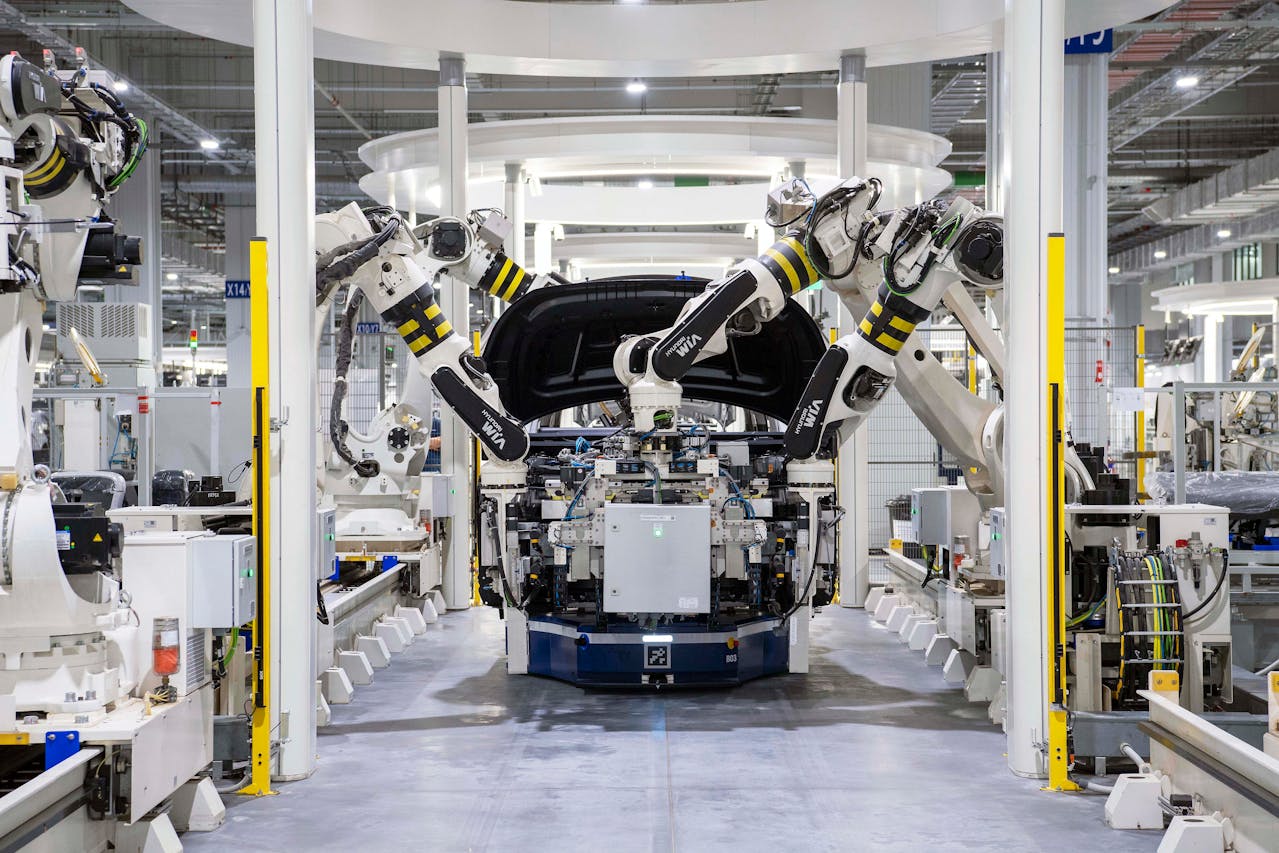
Image Courtesy: Public Domain
As robotics companies move from prototypes to volume production, MES Inc., a global manufacturing sourcing and supply chain partner to Fortune 500 OEMs, is advising robotics developers to treat structural aluminum components as a core system decision rather than a downstream sourcing task.
The timing reflects a market that's growing fast. According to the International Federation of Robotics' World Robotics 2025 report, roughly 542,000 industrial robots were installed worldwide in 2024, more than twice as many as a decade earlier, and annual installations have now stayed above 500,000 units for four consecutive years. The global operating fleet reached about 4.66 million units in 2024, a 9% year-over-year increase.
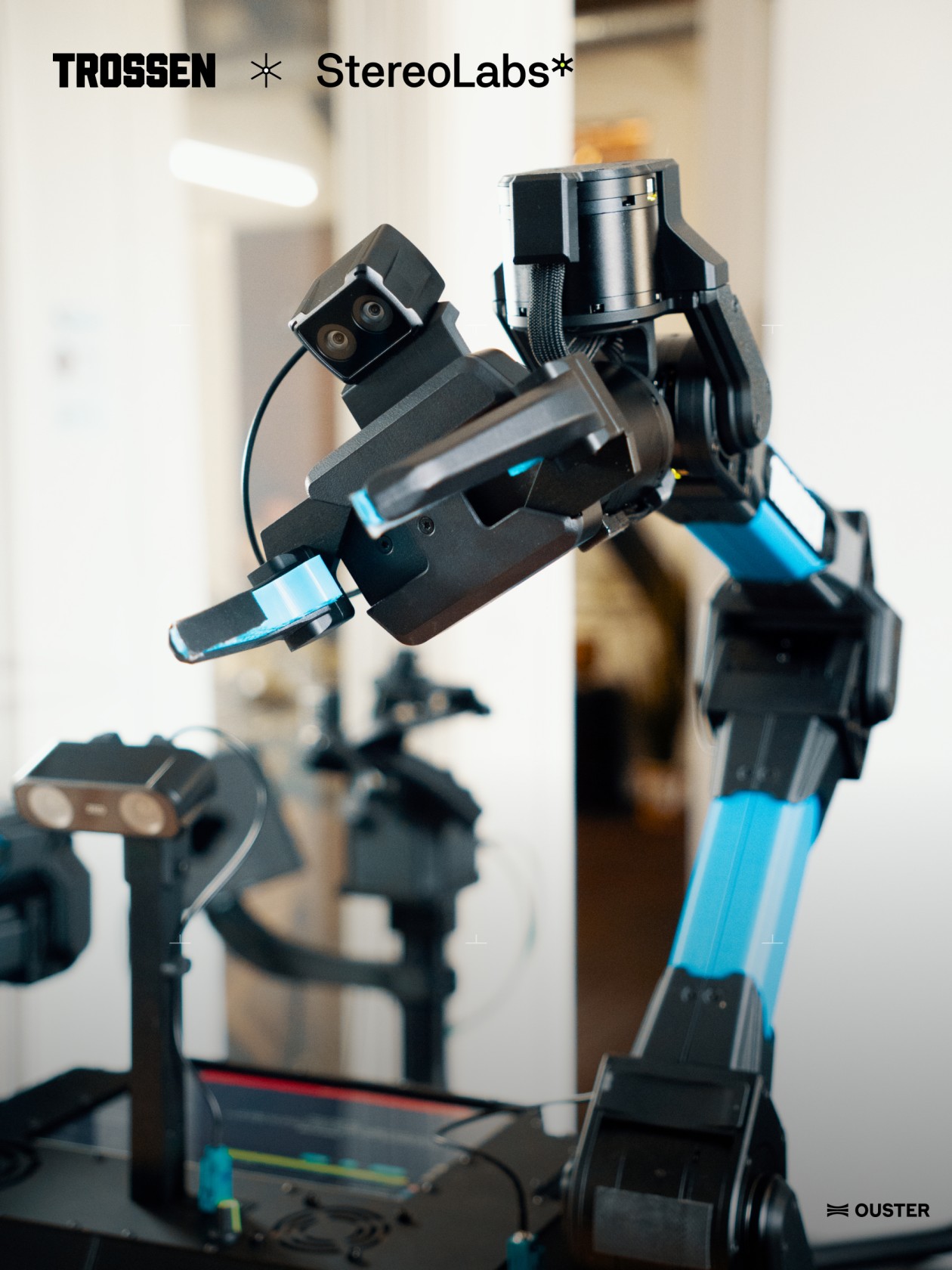
Much of the industry conversation centers on AI software. MES points out that every one of those systems still depends on precision mechanical parts that carry loads, manage heat and hold tolerances through millions of cycles. A single robotic platform can contain 20 to 40 distinct structural aluminum components. These include joint and actuator housings, motor housings, gearbox and harmonic drive casings, structural frames, and battery and electronics enclosures.
"We watched the EV industry go through this exact inflection point," said Hiten Shah, founder of MES Inc. "Early on, everyone focused on batteries, and manufacturing was treated as something to solve later. The companies that invested early in castings and structural platforms ended up producing faster, cheaper and more consistently. Robotics is heading to the same place, and the companies that plan for physical scale now won't have to retrofit their designs later."
The shift from prototype to production
At low volumes, robotics teams typically machine parts from billet, which keeps iteration fast. Once volume targets reach tens of thousands of units, that approach gives way to die casting, extrusion and forging, and each process brings its own engineering constraints. MES identifies five areas where robotics programs most often run into trouble during scale-up:
- Porosity control in die cast components under years of cyclic loading
- Thin-wall geometries that reduce weight but push structural limits
- Tolerance stack-up across cast and machined features in multi-axis assemblies
- Alloy selection that balances performance with manufacturability
- Tooling lead times and capital costs that can outrun development schedules
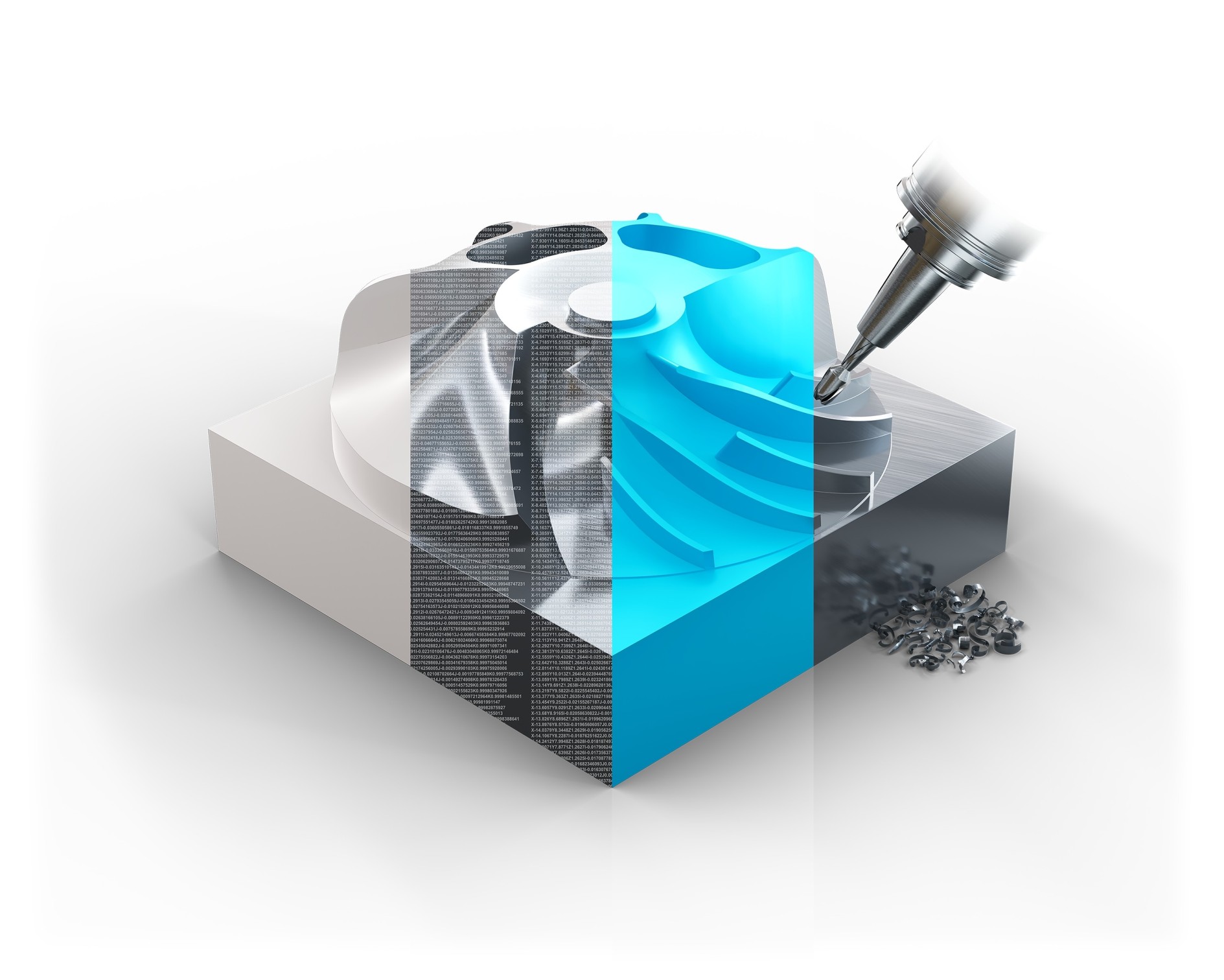
"Process selection is where most of the cost and risk gets decided," said Brad Layne, Engineering Manager at MES. "High-pressure die casting works for complex housings, extrusions for linear frame members, and forgings for high-fatigue joints where porosity isn't acceptable. Nearly all of it then goes to CNC machining to bring bearing seats and sealing surfaces to final tolerance. If you get that sequence right before the design is locked, you save months once you're ramping."
MES supports robotics manufacturers with aluminum die casting, extrusions, forgings and precision CNC machining through a globally distributed supplier network. The company also qualifies suppliers and reviews designs for manufacturability early in development.