Medicana Highlights Robot-Assisted Surgery for Prostate Cancer Treatment
A 2026 review of 27 studies involving 38,530 patients found lower transfusion rates and shorter hospital stays with robotic surgery versus open surgery.
Image Courtesy: Public Domain
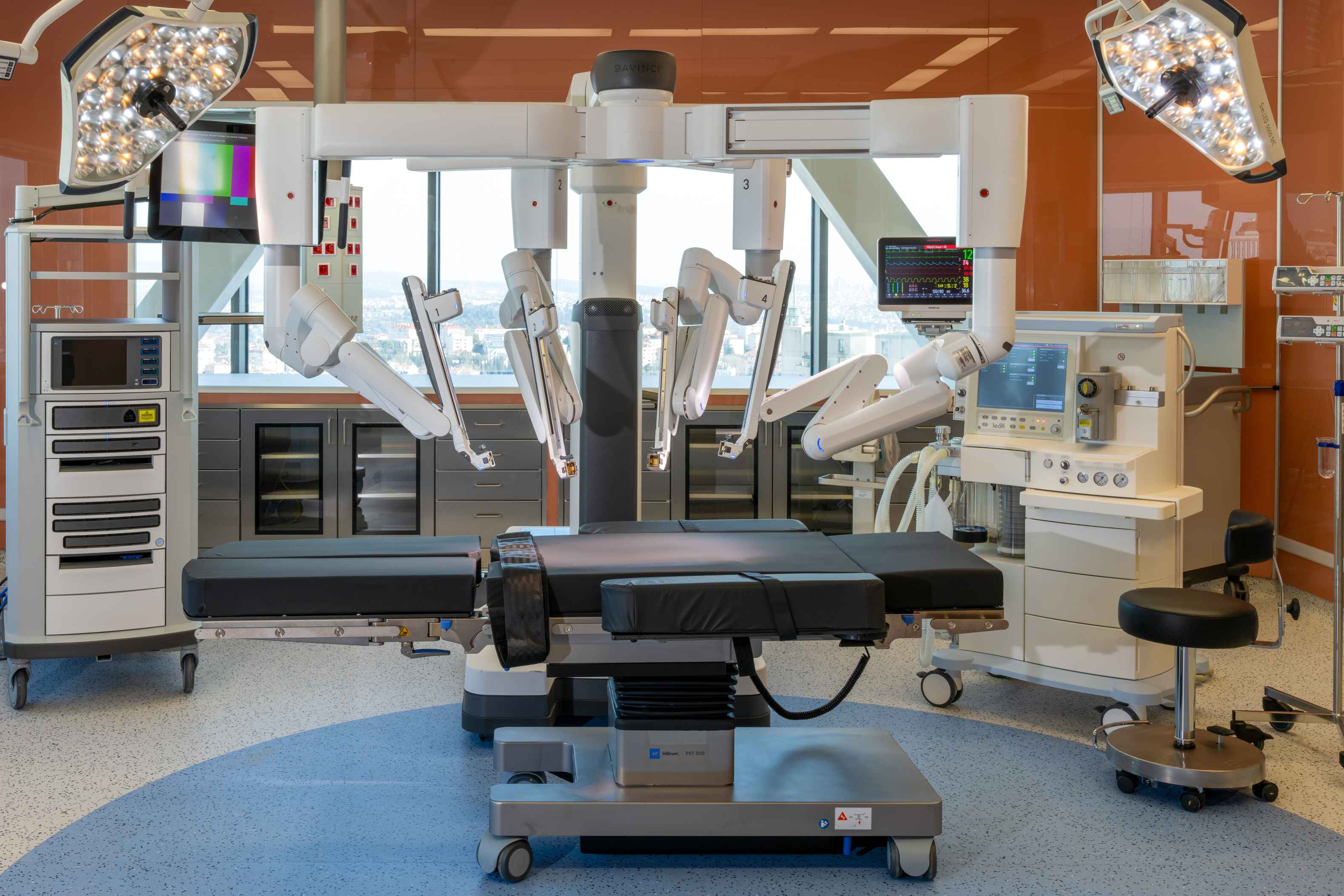
Medicana Health Group is highlighting the role of robot-assisted surgery in prostate cancer treatment as a 2026 research review reports lower blood loss and shorter hospital stays compared with open surgery. The review, published on 2 June in International Urology and Nephrology, brings together 27 studies involving 38,530 patients. During September, Prostate Cancer Awareness Month, the Group is sharing expert insight on what the approach can offer and how patients are selected.
The review found that robot-assisted radical prostatectomy was associated with lower transfusion rates and shorter hospital stays, with an average reduction in hospital stay of approximately 1.4 days compared with open surgery. The findings concern surgical approaches for patients undergoing prostate removal; they do not mean that every patient with prostate cancer requires surgery.
Prof. Melih Balcı, MD, a urologist at Medicana Ataköy Hospital, part of Medicana Health Group, explains that treatment decisions depend on the stage and risk of the cancer, PSA and biopsy findings, age, general health and life expectancy. Active surveillance may be appropriate for some low-risk cancers, while surgery or radiotherapy may be considered for localised and selected locally advanced disease.
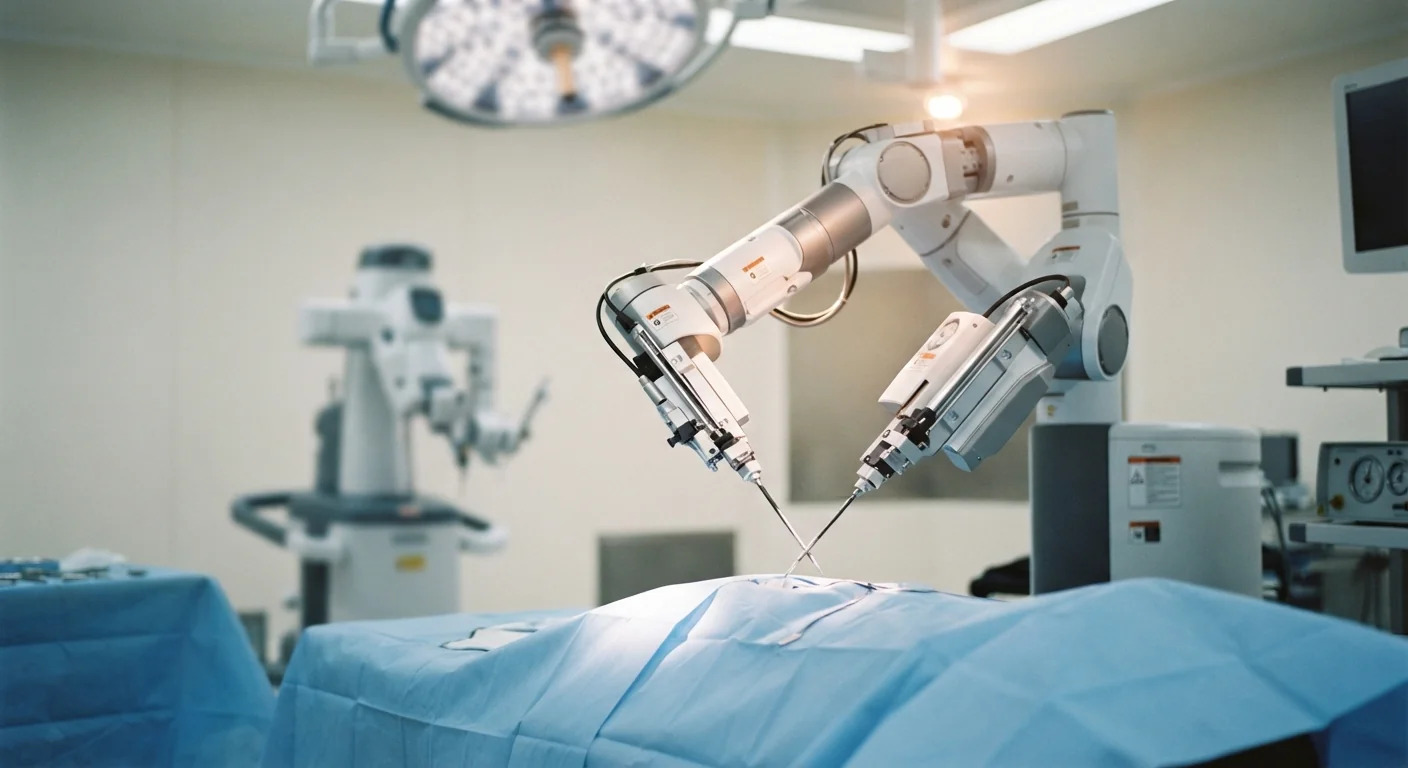
Robot-assisted radical prostatectomy removes the prostate and seminal vesicles through small abdominal incisions. Regional lymph nodes may also be assessed where necessary. The surgeon controls the instruments from a console, using magnified three-dimensional imaging to work around delicate structures. The robot does not operate independently.
“The aim is to remove the cancer while preserving surrounding structures where it is oncologically safe to do so,” Prof. Balcı said. Nerve-sparing may be considered in suitable cases, but urinary control and erectile function after surgery vary with the patient’s age and function before treatment, tumour characteristics and whether the nerves can be preserved.
Patients may still need a urinary catheter after surgery and can experience incontinence or erectile dysfunction. Recovery and follow-up should therefore be discussed before a treatment decision. The review’s authors also called for further randomised trials with longer follow-up to confirm their findings; most of the included studies were non-randomised, and results varied between studies.