Virtuoso Surgical Receives FDA De Novo Authorization for Robotic Bladder Surgery System
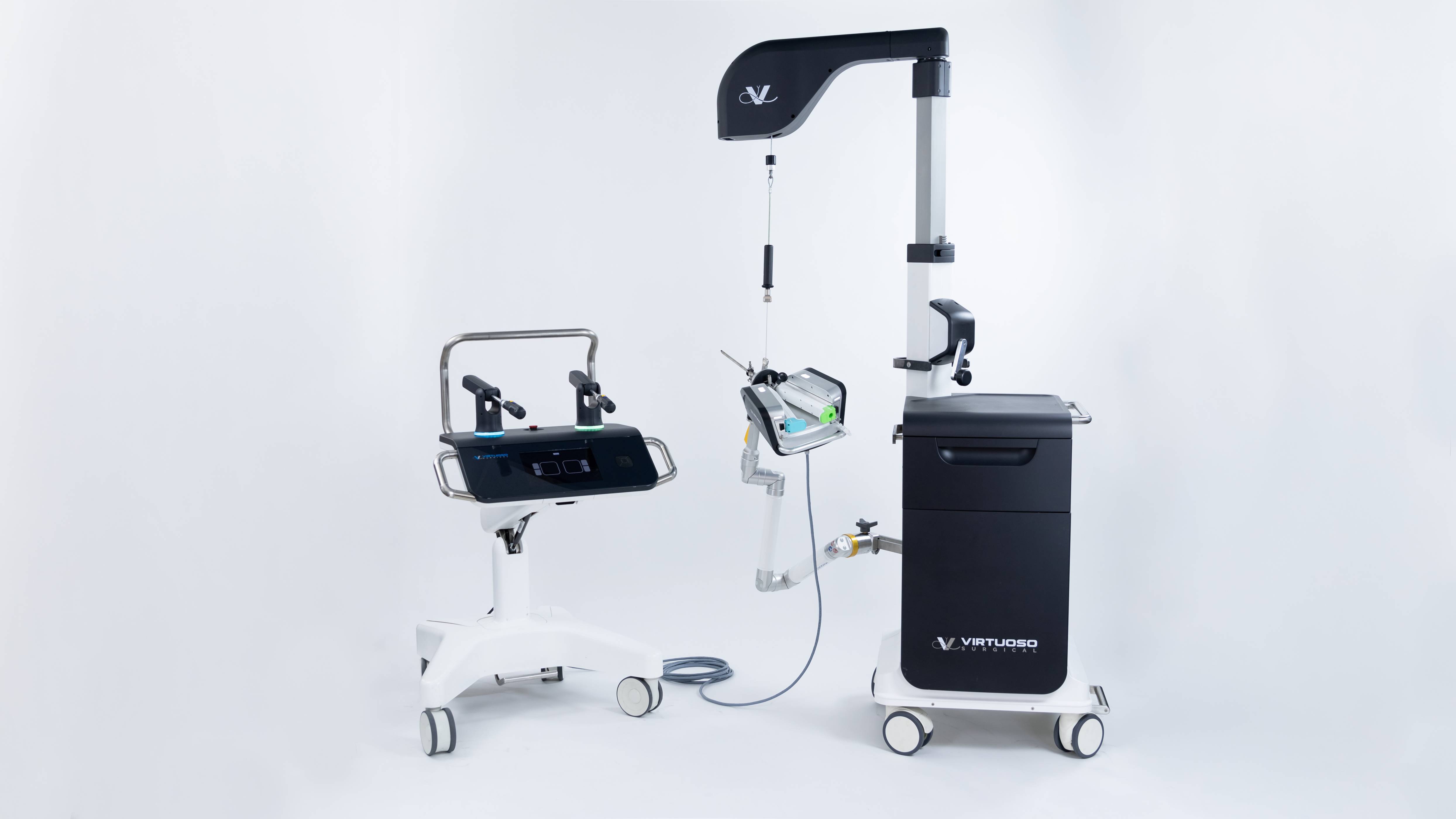
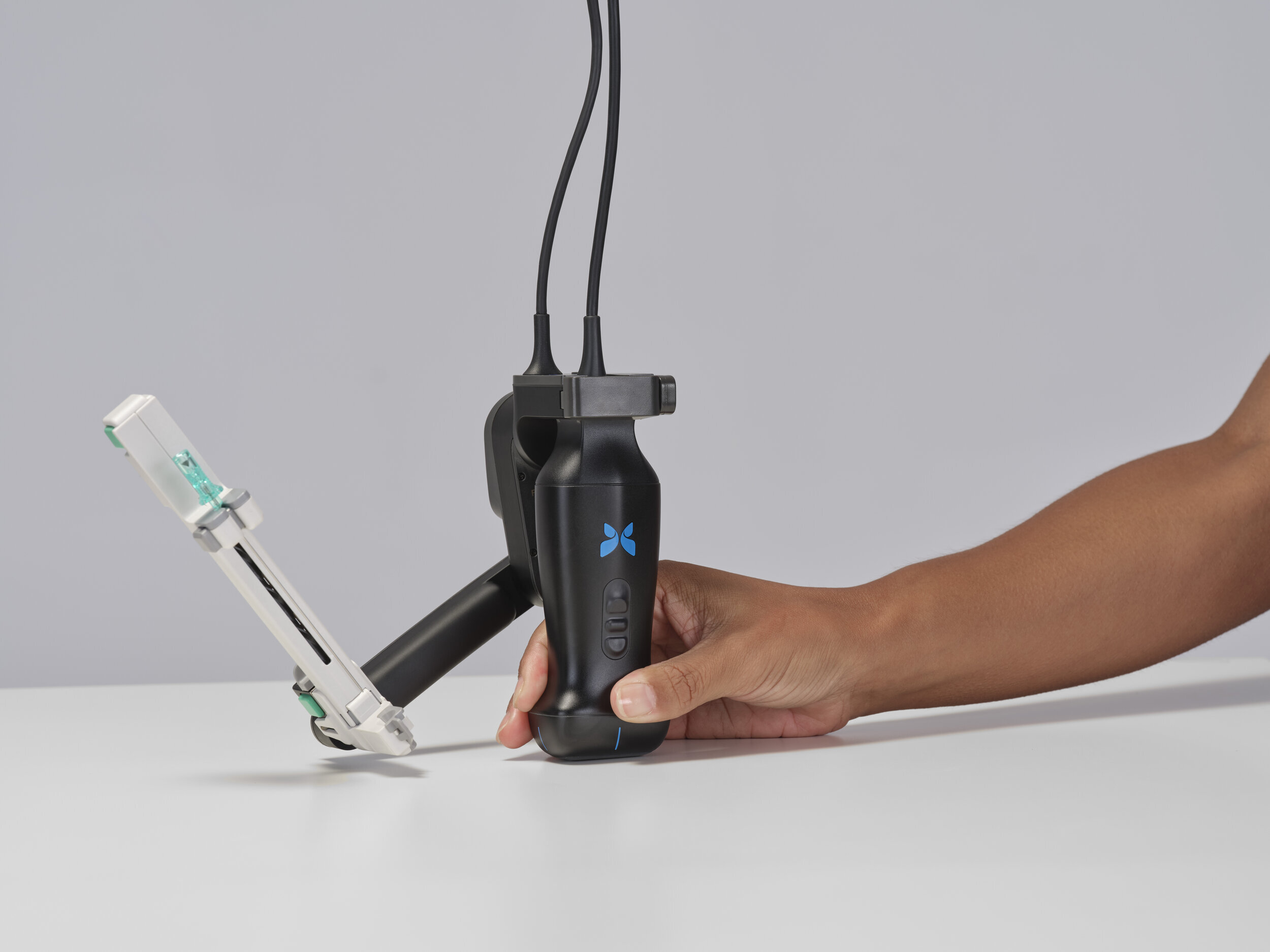
The Virtuoso Endoscopy System introduces two needle-sized robotic arms for precise, two-handed bladder tumor removal through a standard rigid endoscope.
Image Courtesy: Public Domain
- First device in a new FDA classification: electromechanical surgical systems for endoluminal surgical procedures
- Two needle-sized robotic arms at the tip of a standard-sized rigid endoscope bring two-handed dexterity to bladder surgery through the urethra
Virtuoso Surgical, Inc., the developer of miniaturized robotic tools for endoscopic surgery, announced that the U.S. Food and Drug Administration (FDA) granted De Novo authorization for the Virtuoso Endoscopy System. It is the first device in a new FDA classification, electromechanical surgical systems for endoluminal surgical procedures (robotic instruments passed through an endoscope into the body), and is authorized for en bloc resection of bladder lesions in adult patients to obtain tissue samples, including detrusor (bladder) muscle, to assist in the diagnostic evaluation of bladder cancer.
The system received FDA Breakthrough Device Designation in September 2025, which FDA grants to devices that may provide more effective diagnosis or treatment of life-threatening or irreversibly debilitating diseases.
"This is a major milestone for our team and for patients with bladder cancer," said Duke Herrell, M.D., urologic surgeon and CEO of Virtuoso Surgical. "Removing a tumor intact can provide a better tissue specimen, which supports clearer diagnosis and staging. We are excited to give surgeons a new tool for this common, recurrent, and potentially deadly cancer."
Why en bloc resection matters in bladder cancer
Bladder cancer is common, frequently recurs, and can be deadly once it spreads beyond the bladder. Every treatment decision, from drug therapy placed in the bladder to the possible need for radical bladder removal surgery, starts with the pathology and staging of the tissue specimen the surgeon removes endoscopically at the first resection in the operating room.
About 84,530 Americans will be newly diagnosed with bladder cancer in 2026, according to the American Cancer Society. A further estimated 75,000 established patients have a recurrence or progression of their bladder cancer each year, according to a 2024 health economics study in PharmacoEconomics – Open. In the U.S., the first step in care for almost all bladder tumors, new or recurrent, is conventional transurethral resection of bladder tumor (TURBT), which typically removes tumors in fragments and disrupts the tumor tissue. En bloc resection, enabled by Virtuoso’s technology, can remove many of the tumors in one intact piece or larger segments (modified en bloc), preserving the tissue and information pathologists need to stage the cancer.
"How well a bladder tumor is removed at the initial operation shapes how accurately we can stage the cancer and plan what comes next for the patient," said Sam S. Chang, M.D., M.B.A.,* Patricia and Rodes Hart Professor of Urologic Surgery and Chief Surgical Officer of Vanderbilt-Ingram Cancer Center, who previously chaired the American Urological Association's bladder cancer clinical guideline panel. "Our current surgical instruments have not significantly changed in more than a century. En bloc tumor resection has been studied in randomized trials and is recognized in international guidelines, but it can be extremely technically demanding with today’s instruments, and adoption has been very limited, especially in the U.S. A robotic system purpose-built for it, now authorized by the FDA, gives surgeons a meaningful new tool."
How the robotic system works
The Virtuoso system places two needle-sized robotic arms at the tip of a rigid endoscope. Made of superelastic concentric nitinol tubes, Virtuoso’s patented robotic arms follow the surgeon's hand motions from a console. One arm can be used to lift and retract tissue and the tumor while the other dissects beneath it, bringing two-handed dexterity to endoscopic surgery through the urethra.
Clinical results
In the first 20 patients of the Virtuoso-sponsored VIABLE study (NCT06940648), all treated at The Chinese University of Hong Kong:
- Detrusor muscle (the bladder's muscle layer, which pathologists need to see to stage the cancer) was present in 94% of removed lesions, exceeding the study's 60% performance goal and the median rate of approximately 70% reported across published studies of conventional TURBT (Virtuoso systematic literature review, data on file).
- Surgical margins could be evaluated in 93% of malignant lesions. Margins generally cannot be assessed after conventional TURBT because the tumor is removed in fragments.
- There were no intraoperative adverse events.
"Robotic en bloc resection with Virtuoso changed how we approach these tumors, even for surgeons experienced in the conventional en bloc technique," said Professor Jeremy Teoh, principal investigator for VIABLE at The Chinese University of Hong Kong. "Surgeons newer to en bloc techniques also obtained high-quality specimens, which could help bring this approach to patients everywhere."
Professor Teoh is a panel member for the European Association of Urology guidelines on non-muscle-invasive bladder cancer. He led the international consensus statement on en bloc resection of bladder tumors and the multicenter EB-StaR randomized trial comparing en bloc resection with conventional TURBT, and he leads a global en bloc resection registry spanning more than 100 centers.
Future applications
Virtuoso plans a focused U.S. launch at leading urology centers in 2027. Virtuoso sees its miniature tools as a future platform for other procedures and surgical specialties that use rigid endoscopes and has completed early non-human feasibility work in gynecology, pulmonary procedures, and neurosurgery; these uses are currently investigational and not FDA-authorized.
Dr. Chang has served as an adviser to Virtuoso Surgical, has received compensation as a consultant and holds stock options in the company.