Daming Robotics’ TM AI Cobot S Series Earns IEC 62443-4-2 SL2 Cybersecurity Certification
The certification strengthens the collaborative robot’s cybersecurity credentials as smart manufacturing becomes increasingly connected and software-driven.
Image Courtesy: Public Domain
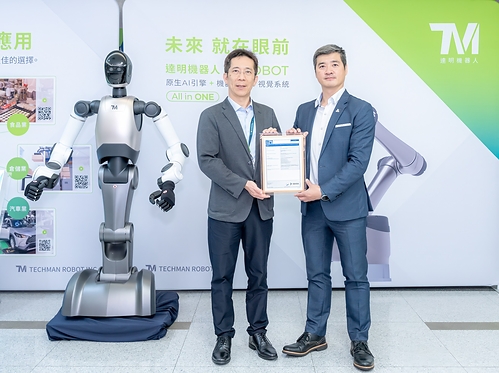
As smart manufacturing penetrates production sites, collaborative robots are gradually evolving from devices performing single tasks into crucial nodes connecting production lines, data, and manufacturing systems. TM AI Cobot S Series, a product of Daming Robotics, recently passed an independent third-party assessment by DEKRA and officially obtained the IEC 62443-4-2 Security Level 2 (SL2) industrial control network security certificate, demonstrating the company's continuous efforts to strengthen product cybersecurity and international market competitiveness.
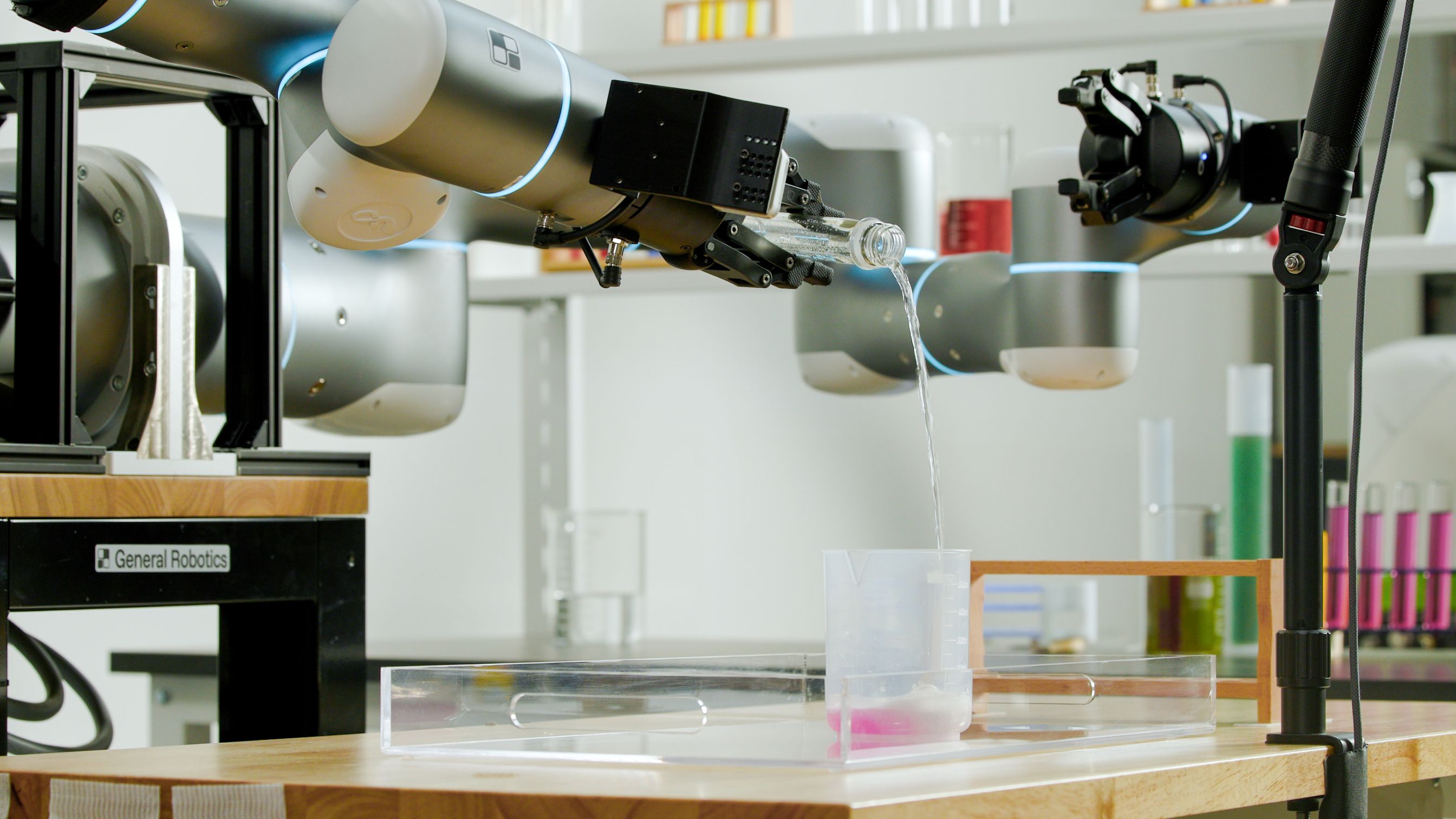
Daming Robotics ™ AI Cobot S Series is a collaborative robot that combines AI vision technology to help the manufacturing industry introduce intelligent automation into inspection, assembly, and production operations. As collaborative robots move from stand-alone operation to networking and software-driven systems, new cybersecurity challenges arise regarding data exchange, access control, and software maintenance between the devices and external systems. Cybersecurity protection is no longer limited to the enterprise network perimeter but must extend to every network node on the production line.
IEC 62443-4-2 is an international standard that establishes safety requirements for components in industrial automation and control systems. It examines whether products possess corresponding safety functions, ranging from identity verification, access control, data and communication protection to system integrity and availability. Obtaining the SL2 certification signifies that the TM AI Cobot S Series has completed independent verification of its relevant cybersecurity capabilities according to international standards, providing manufacturers, system integrators, and end-users with clearer product safety guidelines.
Shih-Chung Huang, COO of TM AI Cobot, stated, "The integration of collaborative robots with production line systems continues to deepen. Customers are concerned not only with performance and operational safety, but also with the cybersecurity and resilience of equipment in a networked environment. TM AI Cobot incorporates safety requirements into product design and development. This achievement of the IEC 62443-4-2 SL2 certification is not only a significant milestone for the TM AI Cobot S Series, but also represents our continued response to global customers' expectations for safe and reliable products in smart manufacturing."
Product cybersecurity is shifting from voluntary corporate requirements to institutional thresholds in the global market. The EU's Cyber Resilience Act (CRA) requires manufacturers to assume more comprehensive lifecycle cybersecurity responsibility for products containing digital elements, covering secure design, vulnerability management, security updates, and incident reporting. IEC 62443 is not equivalent to the CRA, but its requirements for security functions, development processes, and ongoing maintenance can help industrial equipment manufacturers assess their cybersecurity foundation, identify gaps, and prepare the technical evidence needed for market compliance in advance.
Lee Chun-yi, Managing Director of DEKRA, stated, "Competition in smart manufacturing is no longer solely focused on automation efficiency. A product's ability to demonstrate verifiable security capabilities will also impact customer onboarding, supply chain partnerships, and international market positioning. This certification demonstrates that DEKRA has incorporated cybersecurity into a crucial aspect of its product development. DEKRA will continue to combine global verification experience with local technological capabilities to support Taiwanese companies in transforming cybersecurity requirements into product trust and market competitiveness."
DEKRA combines the group's global verification experience with Taiwan's local cybersecurity technology capabilities to provide integrated services covering product cybersecurity, industrial control and IoT security, vulnerability and penetration testing, secure development processes, IEC 62443, CRA, and global market access. This supports companies in establishing sustainable and responsive cybersecurity capabilities, from risk identification and product verification to regulatory preparation, enabling them to meet international market requirements.