FANUC America Invests $90 Million to Expand U.S. Robotics Manufacturing Capacity in Michigan
New 840,000 sq. ft. facility to boost robot production, create 225 jobs, and advance AI-driven automation and digital twin technologies across North America.
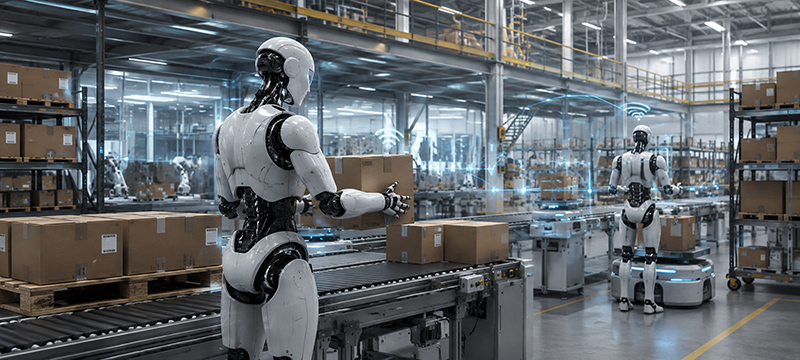
Image Courtesy: Public Domain
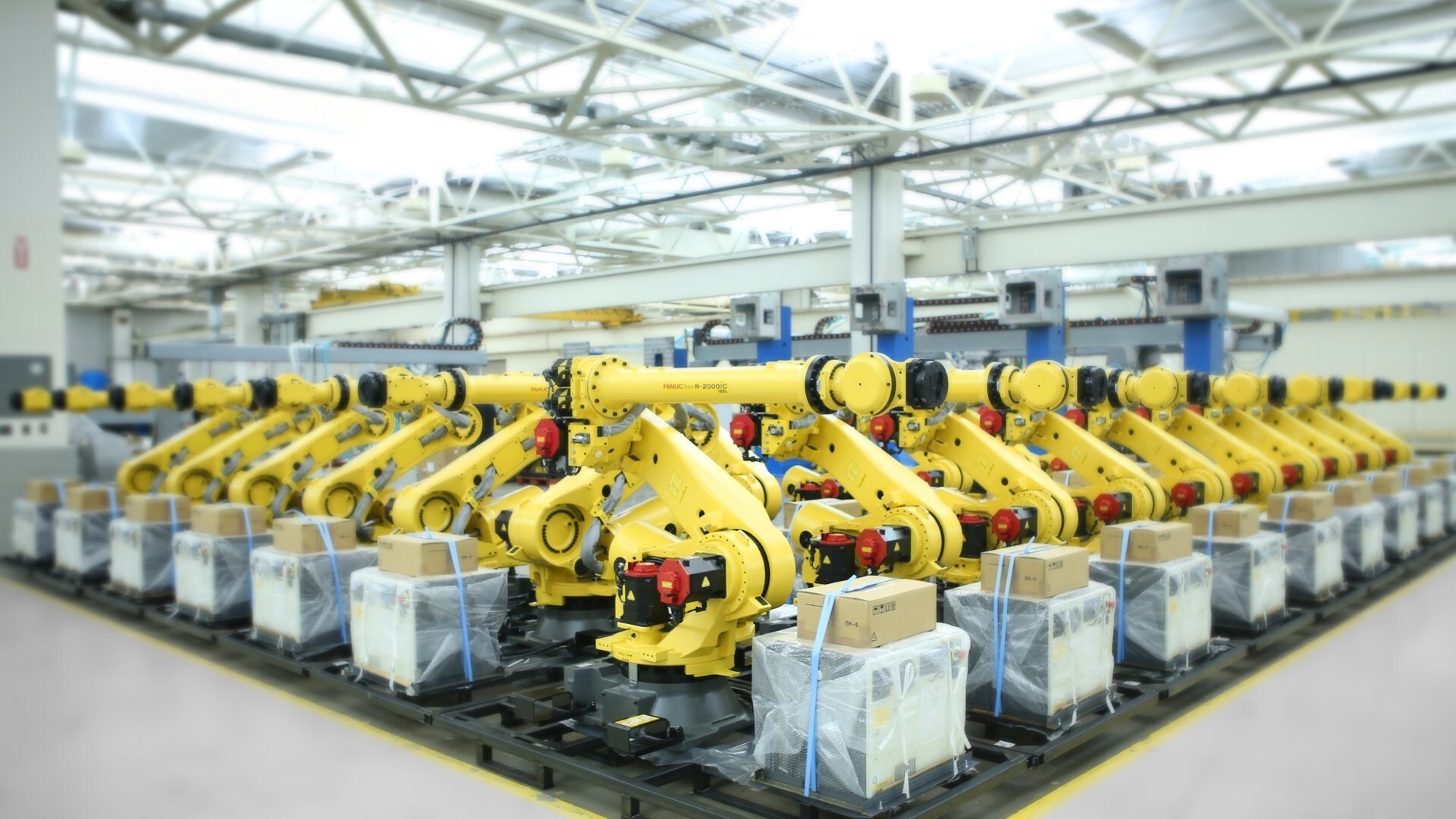
FANUC America, a global leader in robotics and automation systems, announced plans for a $90 million investment to acquire property and construct a new 840,000 sq. ft. facility in Michigan providing production-ready space for the potential expansion of the company's existing U.S.-based manufacturing capabilities for robots.
Targeted for completion in late 2027, this strategic project is expected to add 225 jobs. This expands FANUC America's engineering capacity and advanced manufacturing capabilities to support growing demand for automation solutions across North America, including physical AI, virtual commissioning and digital-twin technologies.
"This investment builds on FANUC America's Michigan manufacturing footprint, which has included producing robots for paint application domestically for more than four decades," said Mike Cicco, President and CEO, FANUC America. "By expanding its U.S. presence, FANUC America will strengthen domestic manufacturing, improve responsiveness to customer needs, and support industries that rely on automation to stay competitive."
With this announcement, FANUC America will have invested nearly $300 million in multiple new facilities, increased the company's footprint to 3 million sq. ft. and created more than 700 jobs in the United States since 2019.
"FANUC America is committed to supporting U.S. reindustrialization by delivering state-of-the-art automation technologies to customers and broadening access to advanced manufacturing workplace training services," Cicco said. "The newly expanded FANUC Academy—opening in Auburn Hills, MI, later this year—will become the largest robotics and automation skills-development center in the United States, helping address the national manufacturing skills gap, rising demand for automation talent, the shift toward AI-enabled robotics and the country's overall competitiveness."