University of Tulsa Researcher Develops Robotic Device to Transform Head and Neck Rehabilitation
NSF I-Corps-backed innovation by Auximotus aims to improve therapy outcomes for patients with neurological conditions through precise, robot-assisted movement
Image Courtesy: Public Domain
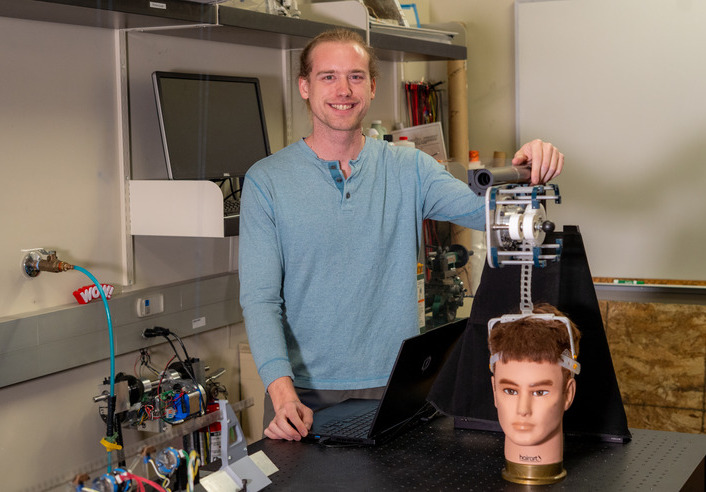
Head and neck rehabilitation in physical therapy research is a part of a global effort to improve life enhancement and expectancy for all. University of Tulsa doctoral mechanical engineering student Bradford Kerst is designing a device to help patients improve head and neck control, a vital need in pediatric and neurological rehabilitation. This work led to Kerst being selected for the U.S. National Science Foundation I-Corps, a seven-week immersive program designed to accelerate lab research headed to market.
"Head and neck rehab can be sensitive and scary for the patient and their families," he said. "That's exactly why we built a robot for it. It's consistent, safe and measurable."
Professor of Mechanical Engineering Joshua Schultz recruited Kerst as an undergraduate to assist with a research project on head and neck biomechanics. This experience motivated him to continue his studies as a graduate student.
With Schultz's assistance, Kerst has created the company Auximotus, aiming to give physical and occupational therapists a machine to guide head movements during therapy sessions. The team hopes to assist patients with cerebral palsy, amyotrophic lateral sclerosis and post-stroke neuromotor deficits.
"Robots don't get tired. You get the same predicted motion in the morning and the evening. Therapists need assistance with repetitions and the range of intensity for each patient," Kerst said.
Before testing the device on patients, Auximotus completed months of testing, including a list of every possible way the device could fail. The team also consulted with physical and occupational therapists to identify risks.
Kerst said the NSF I-Corps program allows his work to receive recognition from other researchers, joining the effort to solve this real-world problem. Kerst plans to continue Auximotus, talking directly with therapists, clinics and hospitals to understand their needs.
"One thing we would hear therapists say is that they need more help on the physical end. With our resources, I figured it was time we build one," he said, referring to UTulsa's interdisciplinary expertise in kinesiology, materials science and robotics. "Seeing a child sit upright, look around and engage with their friends, even for 30 minutes, makes the hard days worth it. A lot of kids spend most of the day reclined just staring at the ceiling. If we can change that, that's a good day."