MMI Announces First Robotic-Assisted Procedure in FDA-Approved REMIND Study for Alzheimer’s Disease
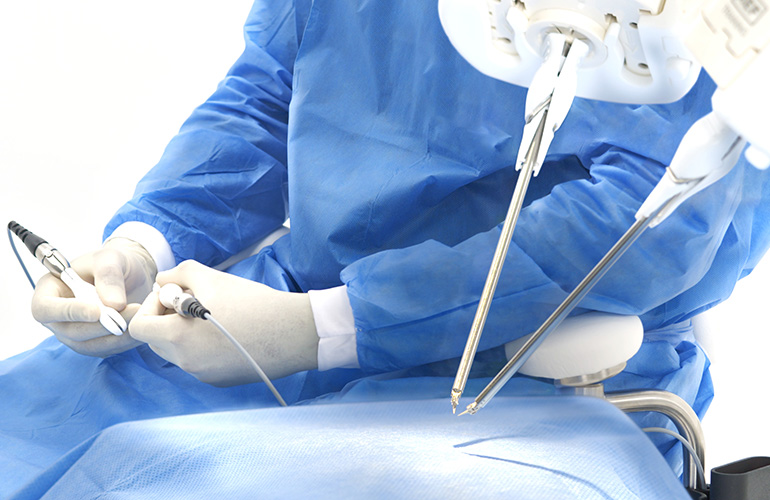
The inaugural procedure, performed at Baptist Health in Jacksonville using the Symani® Surgical System, marks the first patient enrollment in MMI’s groundbreaking IDE study evaluating robotic microsurgery for neurodegenerative disease treatment.
Image Courtesy: Public Domain
MMI (Medical Microinstruments, Inc.), a robotics company dedicated to expanding treatment options and improving outcomes for patients with complex conditions, announced completion of the first robotic-assisted procedure in REMIND, its U.S. Investigational Device Exemption (IDE) Study, evaluating microsurgical intervention for neurodegenerative disease. Performed by a multidisciplinary team at Baptist Health in Jacksonville, FL, the case represents the study’s inaugural procedure and first patient enrollment – a participant with moderate Alzheimer’s disease with confirmed abnormalities in their deep cervical lymph node (dCLN) region.
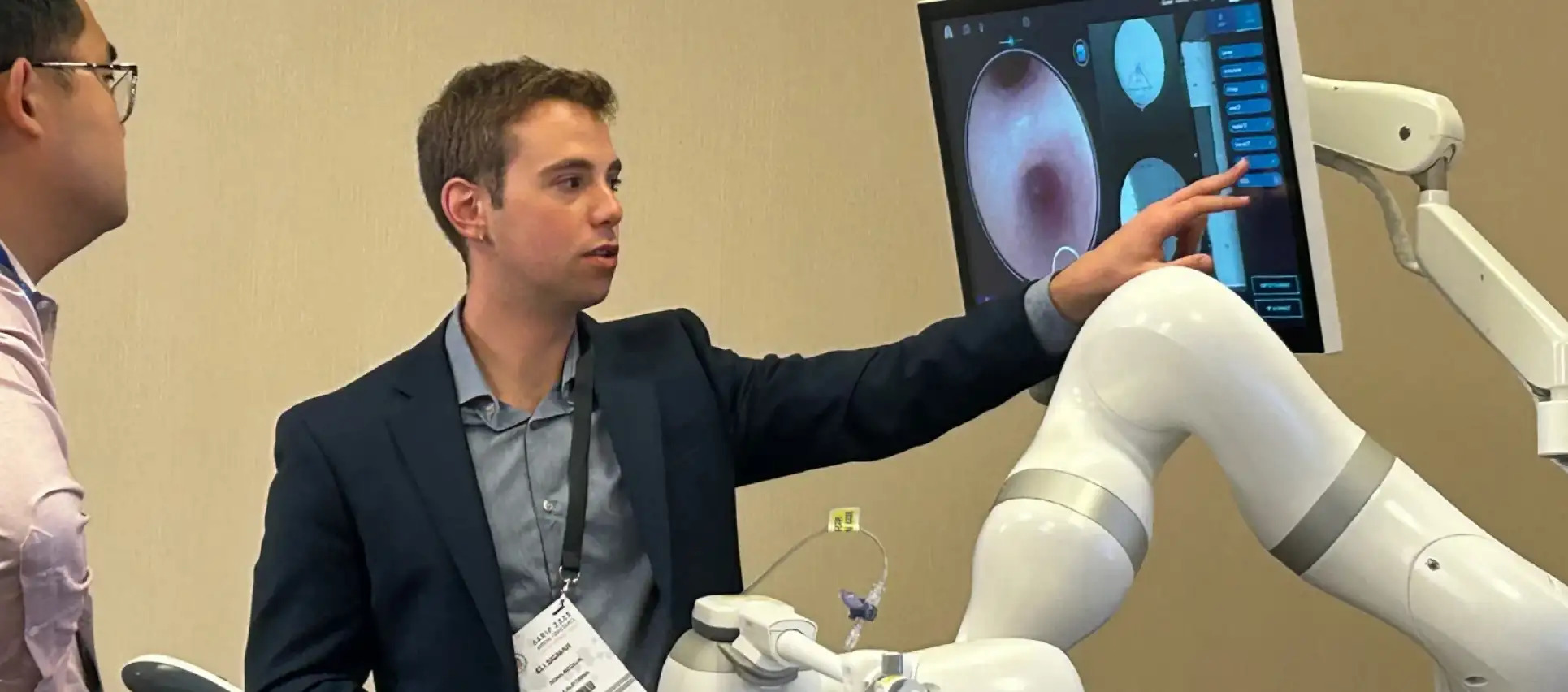
The first-of-its-kind trial, approved by the U.S. Food and Drug Administration (FDA), is evaluating the safety and feasibility of the Symani® Surgical System to perform microsurgical techniques in the region of the neck. The multi-center study will enroll 15 patients who will be followed through twelve months post procedure.
“This is a historic first and important step in advancing a potential breakthrough intervention for neurodegenerative disease,” said Mark Toland, CEO of MMI. “By evaluating novel microsurgical robotic techniques, we’re building on a decade of global research that moves science closer to what could become a life-changing treatment option for the tens of millions of Alzheimer’s patients and caregivers globally.”
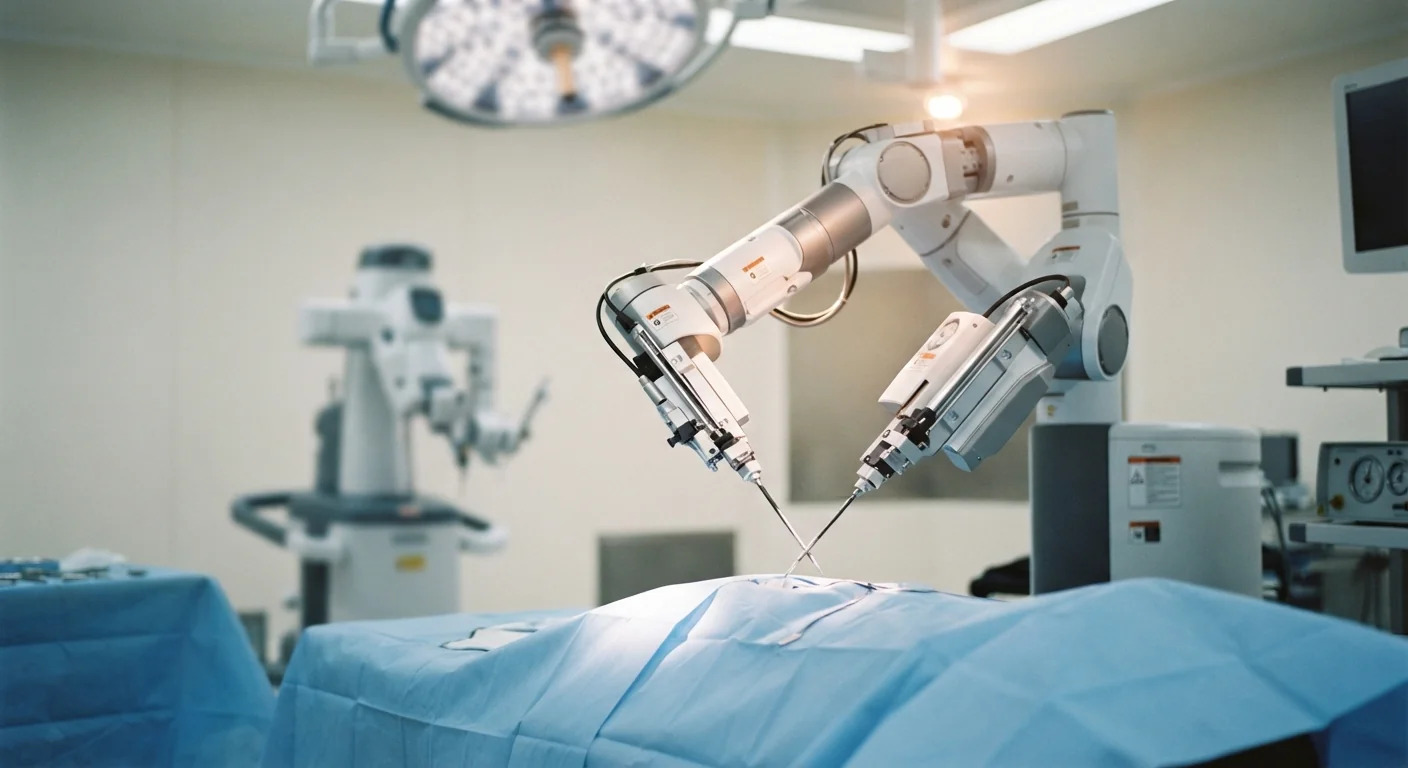
The procedure, performed using Symani, explores whether restoring lymphatic drainage pathways in the dCLNs may support improved clearance of harmful neurotoxins that scientific researchers believe contribute to the progression of Alzheimer’s disease. Symani is the only commercially available robotic platform designed specifically for high-precision microsurgical and supermicrosurgical procedures.
This novel approach brings together a dedicated team of specialists with expansive areas of expertise across reconstructive microsurgery, neurology, neuroradiology, and neurosurgery, reflecting the uniquely collaborative effort required to explore new, emerging treatment pathways for complex neurodegenerative diseases.
Dr. Michael DeFazio, Plastic & Reconstructive Surgeon with Florida Plastic Surgery Group, who specializes in the surgical treatment of lymphedema, performed the procedure, with Ricardo Hanel, MD, PhD, Co-Medical Director of Baptist Stroke & Cerebrovascular Center at Baptist Health in Jacksonville, REMIND site PI, and member of the Federal Alzheimer’s Advisory Council as co-surgeon. Dr DeFazio commented “I’m honored to join this effort in exploring how robotic lymphovenous bypass at the supermicrosurgical level can be applied in a new clinical context. Precision is paramount in such technically demanding procedures, and this robotic technology enables us to perform techniques with the control needed to explore this potential new and exciting application of lymphatic reconstruction.”
Dr. Hanel added, “The intersection of neuroscience and lymphatic biology is one of the most compelling frontiers in medicine today. By participating in this study, we’re accelerating beyond traditional research to explore how a surgical approach can open the door to exciting therapeutic pathways in neurodegenerative disease. This opens an exciting window of hope for all those patients and families living with this terrible condition.”
Matthew A. Zuino, MSIS, FACHE, president and CEO of Baptist Health in Jacksonville said, “With Alzheimer’s disease impacting over 580,000 patients and families across Florida, we believe it’s our responsibility to advance potential new approaches that drive progress and expand access to treatments for those who need it most. We are proud to be bringing the next generation of treatments to the region while contributing to the development of innovative therapies globally.”
Michael A. Mayo, DHA, FACHE, Baptist Health’s former president and CEO is also a member of the Federal Alzheimer’s Advisory Council and played a key role in bringing the technology and research to the health system.
As enrollment continues, data generated through REMIND is expected to inform future research, including the potential for a larger pivotal trial. REMIND is one of several studies underway at MMI aimed at building the clinical evidence needed to support the advancement of robotic microsurgery into additional and emerging applications.