MMI Advances REMIND Alzheimer’s Study Following FDA IDE Approval
FDA clears expanded patient enrollment for MMI’s REMIND study, evaluating robotic microsurgery for lymphatic reconstruction in Alzheimer’s disease.
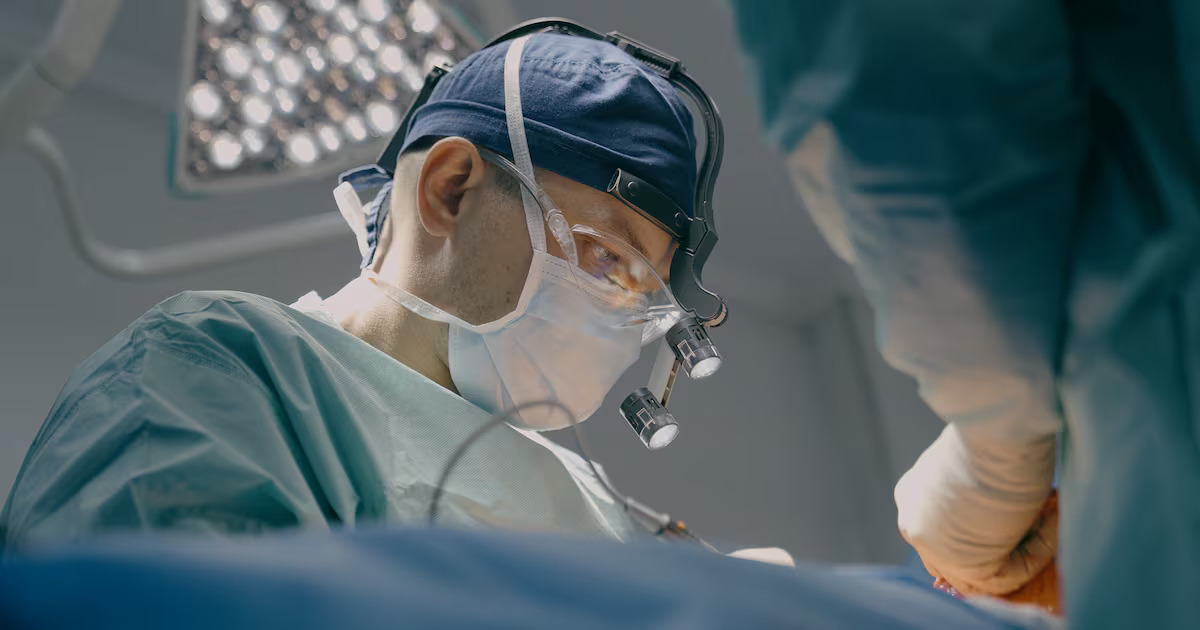
Image Courtesy: Public Domain
MMI (Medical Microinstruments, Inc.), a robotics company dedicated to increasing treatment options and improving clinical outcomes for patients with complex conditions, announced that the U.S. Food and Drug Administration (FDA) has approved a supplement to its Investigational Device Exemption (IDE) for the REMIND study, after review of 30-day safety data for the first round of patients treated. This approval allows expansion of patient enrollment beyond the initial cohort of up to five patients to the full EFS population of 15 patients as the study continues to explore the potential of robotic-enabled microsurgical intervention for neurodegenerative diseases, including Alzheimer’s disease.
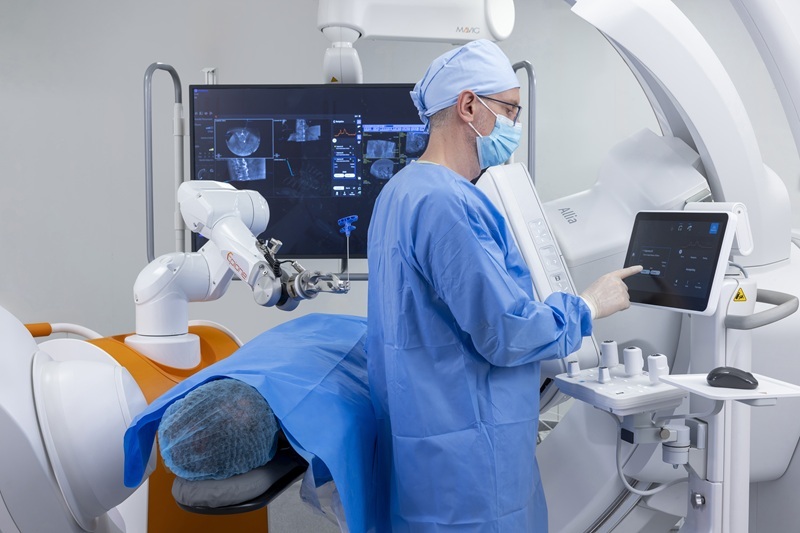
The REMIND study (Robotic-Enabled Microsurgical Intervention for Neurodegenerative Disease), a global, prospective early feasibility study, is collecting safety and feasibility data of the Symani® Surgical System and microsurgical techniques used to re-establish lymphatic drainage pathways in the deep cervical lymph nodes (dCLNs) of patients with Alzheimer’s and confirmed lymphatic abnormalities.
“Patient safety is paramount, and we’re pleased with this important step forward by the FDA, which allows us to continue expanding enrollment in this first-of-its-kind study,” said Adnan Siddiqui, MD, PhD, Professor of Neurosurgery at the State University of New York at Buffalo, CEO of The Jacobs Institute, and National PI of the REMIND study.
“This milestone reflects continued momentum for REMIND as we explore the potential of microrobotic surgical intervention to reshape the treatment of Alzheimer’s disease for the millions of people and their families impacted by this debilitating disease,” added Mark Toland, CEO of MMI.
As enrollment continues, data generated through REMIND is expected to inform future research, including the potential for a larger pivotal trial. REMIND is one of several studies underway at MMI aimed at building the clinical evidence needed to support the advancement of robotic microsurgery into additional and emerging applications. To learn more, visit www.mmimicro.com.
The safety and effectiveness of the Symani Surgical System for lymphatic reconstruction for brain disease has not been established by the U.S. Food and Drug Administration, and Symani remains investigational for this use.