Roboteon’s Dan Gilmore on Using Simulation to Deliver Clear ROI for Warehouse Robotics Investments
11 March 2026 | News | By Editor Robotics Business NEWS <editor@rbnpress.com>
Roboteon Chief Marketing Officer explains how the company’s new Robotics Investment Impact Analysis helps businesses evaluate automation using real warehouse data and vendor-neutral simulation.
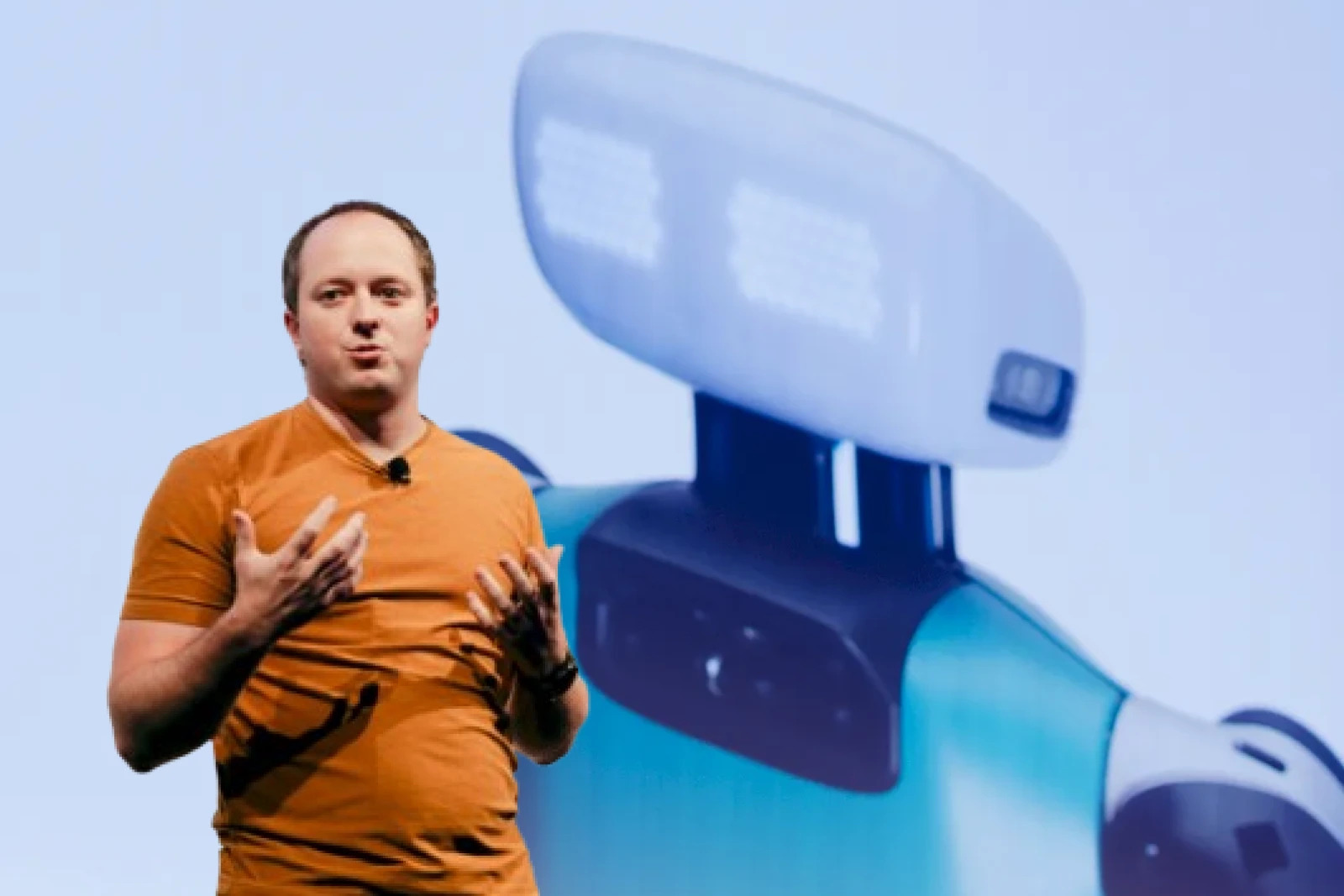
In this interview with Robotics Business News, Dan Gilmore, Chief Marketing Officer at Roboteon, explains how simulation-driven analytics is reshaping the way companies evaluate robotics investments. He discusses the development of Roboteon’s Robotics Investment Impact Analysis, the role of orchestration software in achieving automation ROI, and why data-driven simulation is becoming essential as businesses seek clearer returns and faster time-to-value from warehouse robotics deployments.
What industry challenges or customer feedback led Roboteon to develop the Robotics Investment Impact Analysis, and why was now the right time to introduce it?
We developed the simulation-based tool for our own purposes but then started showing it to prospects, who universally said “give me some of that,” so we launched the analysis sensing the opportunity.
Specifically, we built the simulation tool to address two challenges
We saw a need for a rigorous, data-driven simulation that uses a customer's actual warehouse layout and order profiles, beyond back-of-the envelope vendor calculators.
We also see the need to answer a recurring question from customers: “How many robots do I need?” "How many people do I still need?”, “What is the inflection point?”
Many companies remain cautious about adopting mobile robots due to unclear returns. How does your analysis help organizations move from curiosity about automation to confident investment decisions?
Our simulation tool allows companies to get their many questions answered, from basic questions such as how many robots and humans will we need to building the business case , using a robot-independent tool. Roboteon is a software-first orchestration platform and we are uniquely positioned to provide a vendor-neutral analysis. Customers feel a lot more confident about moving forward after leveraging the process and tool.
Unlike traditional consulting assessments, your approach relies on simulation-driven modeling. How does this change the way businesses evaluate robotics before deployment?
Traditional assessments often rely on "static averages"—spreadsheets that assume a constant pick rate or a perfectly uniform travel distance etc. With the Roboteon simulation tool, the ability to get key questions answered, see the impact of operational assumptions on more than 25 KPIs, and powerful “what if” analysis changes the whole dynamic in terms of the evaluation process. Ultimately, this changes the conversation from "I think this will work" to "I have seen this work on a realistic simulation of my own facility."
You’ve chosen to offer the analysis as a complimentary service. What strategic role does this play in helping companies better understand automation opportunities?
Traditionally, a rigorous automation assessment requires an expensive consulting fee or a dedicated internal team of data scientists. This creates a high barrier to entry that often kills innovation before it begins. By offering this as a complimentary service, we allow companies to "test-drive" their automation strategy using their own data.
Our simulation tool also helps companies make better decisions along multiple time horizons. For this program, we are focused on the design/strategic phase of the process, looking at different options for robots and humans, testing assumptions such as pick rates, understanding the role of software orchestration and answering many other questions they have to understand their opportunities for robotic automation and how they will achieve ROI.
From your conversations with customers, what are the most common misconceptions businesses still have about the ROI of mobile robotics?
Companies naturally look at the robotic hardware as the source of the ROI, and that’s obviously key, but in the end it’s really the management and orchestration software that drives the ROI. Companies don’t do enough evaluation in this software area as part of their selection process.
Many businesses calculate ROI by simply dividing a human's annual salary by the cost of a robot. They assume if they "replace" 10 people with 10 robots, the math is done. In reality, ROI is rarely a 1:1 replacement. Real success comes from reallocating labor.
There is also a belief that more robots drive higher throughput. There is a definitive inflection point where adding more hardware actually destroys ROI.
Warehouse and logistics automation is becoming increasingly competitive. How does Roboteon differentiate itself in a market filled with robot manufacturers and integration providers?
We simply have the broadest and deepest set of capabilities in the robotics software sector. That includes truly unique capabilities in such areas as optimization and simulation. Combine that with deep domain expertise and we offer a very differentiated solution. We partner with robot OEMs and Sis.
Do you see ROI transparency becoming a deciding factor for robotics adoption as companies face economic pressure and tighter capital spending?
As capital becomes more expensive and budgets tighten, the industry is shifting from a period of "experimental pilots" to an era of defensible deployments. It’s trending that way for sure. Companies want more rapid time-to-value. ROI analysis is the primary gatekeeper for robotics adoption.
Looking ahead, how do you envision tools like this shaping the future relationship between data, decision-making, and large-scale automation investments?
Data-driven simulation and execution is also changing the view of warehouse automation from a “cost center” to “revenue driver”. For example, If a retailer’s data proves they can offer "Two-Hour Delivery" more reliably than a competitor because their robotic throughput is mathematically guaranteed, the automation investment drives new market capture and higher revenue.
Again, another cool thing about our simulation tool is its ability to deliver value at different time horizons. That includes the design/strategic phase, tactical planning (e.g., how many resources are needed for peak season?), and what should I do today based on actual demand and available resources (digital twin)? In all cases, we use the customers own data.