Warehouse Automation 2026: The Robots Powering the Buy Button Economy
AI-driven robotics, AMRs, and intelligent orchestration platforms are transforming warehouses into autonomous fulfilment engines for global commerce.
Image Courtesy: Public Domain
The Rise of the Invisible Workforce
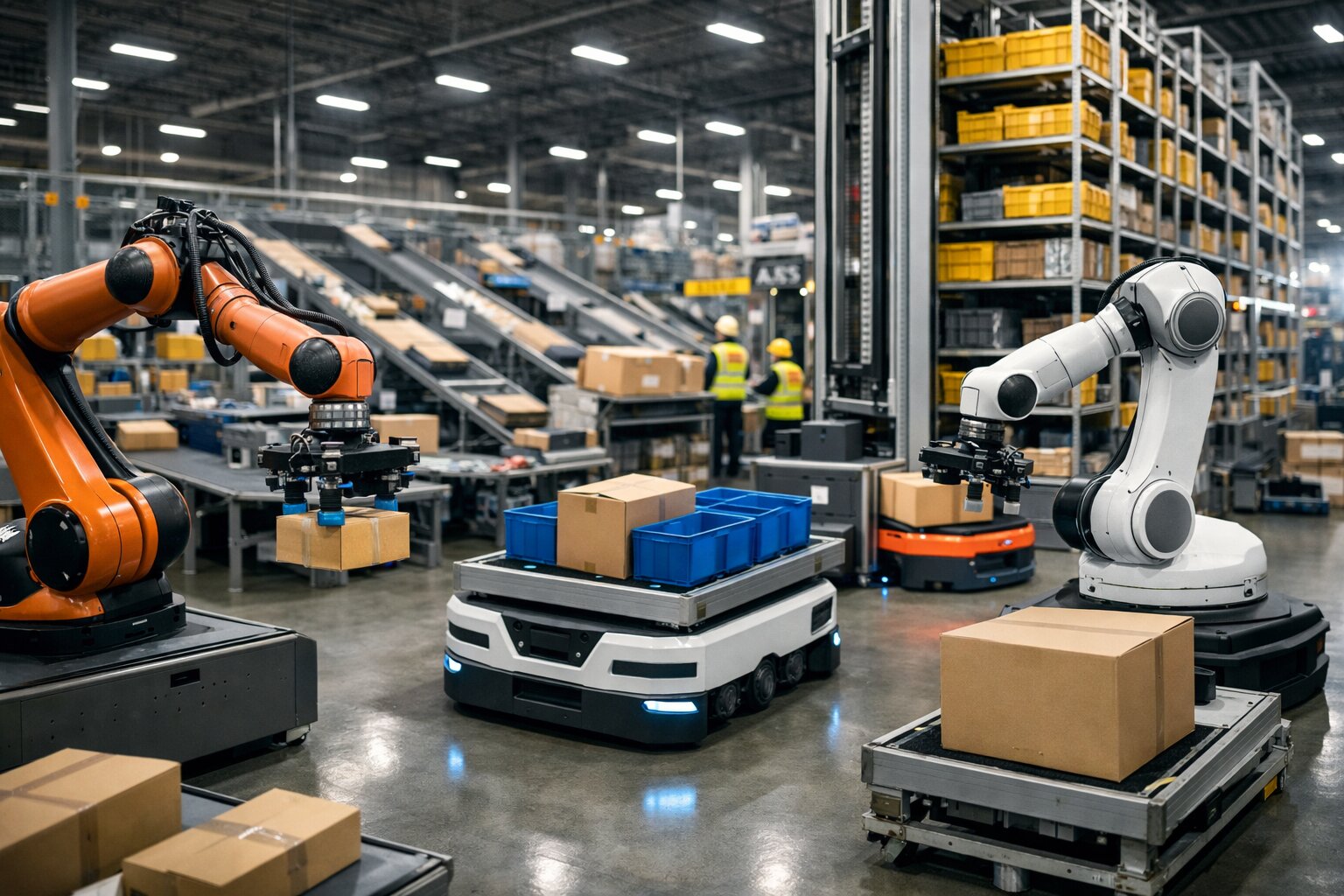
Every time a customer clicks “Buy Now,” a sophisticated robotic ecosystem springs into action. Behind the scenes, warehouses have become highly automated environments where robots handle picking, packing, sorting, and transporting goods with precision and speed.
In 2026, warehouse automation is no longer optional—it’s a competitive necessity. With global e-commerce demand surging, businesses are turning to robotics to meet expectations for same-day and next-day delivery.
Modern warehouse robots are capable of navigating complex layouts, identifying products using AI-powered vision systems, and collaborating seamlessly with human workers. These systems significantly increase throughput while reducing operational errors.
Types of Robots Driving Fulfilment Automation
1. Autonomous Mobile Robots (AMRs)
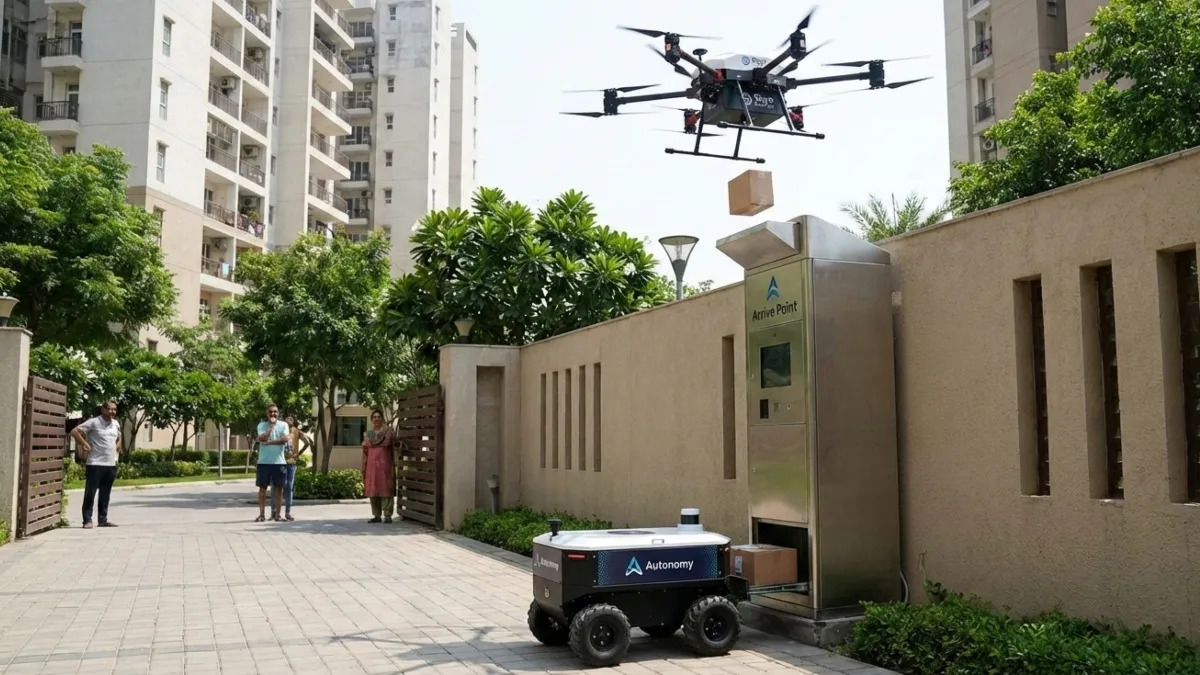
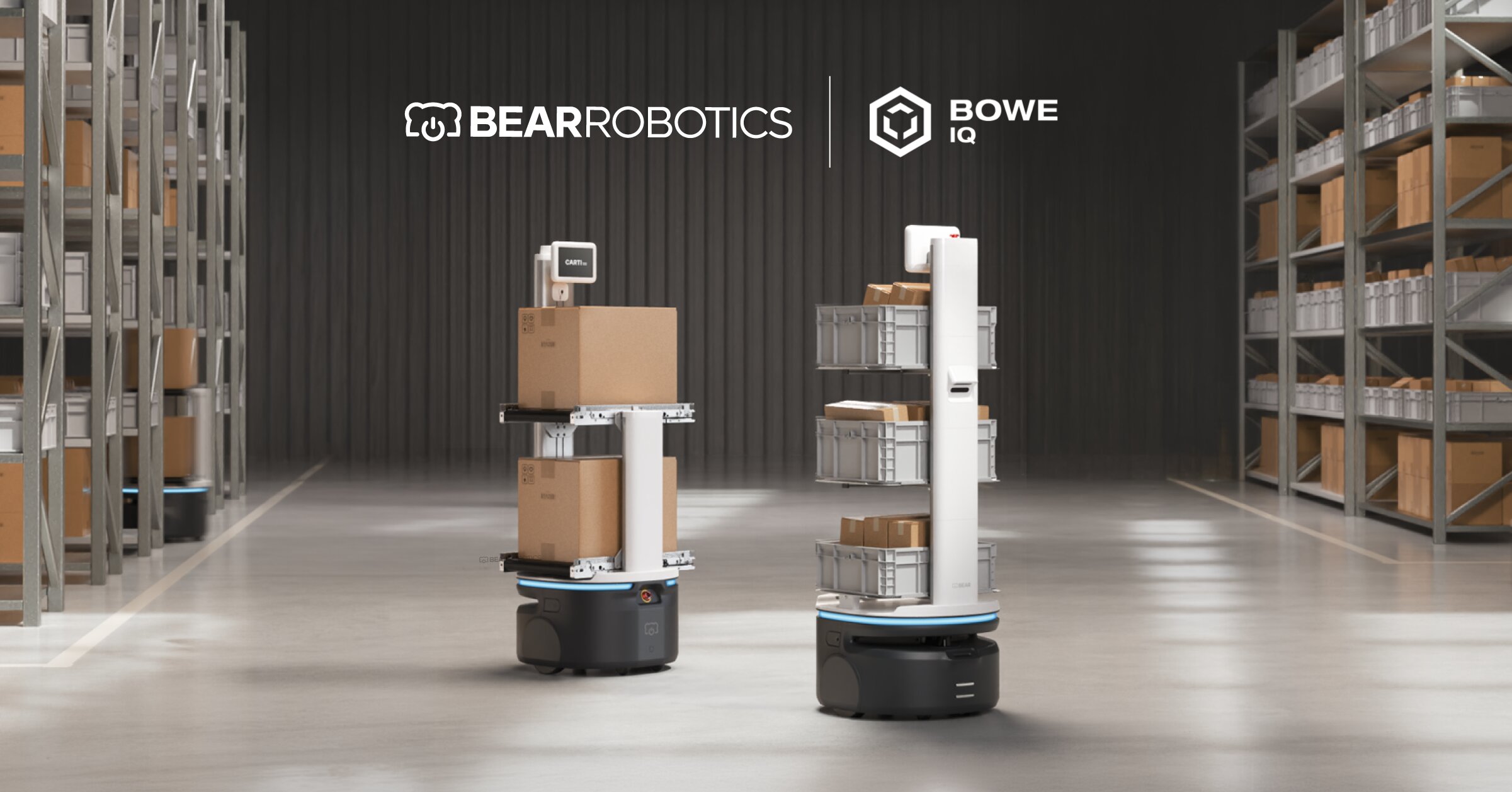
AMRs are the backbone of modern warehouses. These robots move goods across facilities, dynamically adjusting routes using sensors and AI.
2. Robotic Picking Systems
Equipped with machine vision, robotic arms can identify and pick items with increasing accuracy—reducing reliance on manual labor.
3. Automated Storage & Retrieval Systems (AS/RS)
These systems maximize vertical storage space and enable high-speed retrieval, boosting warehouse density and efficiency.
4. AI-Powered Sorting Systems
Sorting robots streamline order processing, ensuring rapid dispatch and minimal errors.
Why Companies Are Investing Heavily in Warehouse Robotics
The business case for automation has never been stronger. Companies adopting warehouse robotics are seeing measurable gains:
- Higher productivity and throughput
- Reduced labor dependency
- Improved accuracy and fewer returns
- Enhanced worker safety
Robotics systems also integrate with warehouse management software, enabling real-time tracking and smarter decision-making across supply chains.
Recent deployments show dramatic efficiency gains—some warehouses have doubled order processing capacity while significantly reducing worker travel distances.
Global Leaders in Warehouse & Fulfilment Automation
Several companies are leading the transformation of warehouse automation worldwide:
- Amazon Robotics – Pioneer in large-scale fulfilment automation
- Exotec – Known for high-density robotic storage systems
- Ocado Technology – Advanced robotic grocery fulfilment
- GreyOrange – AI-driven warehouse orchestration
- Swisslog – Integrated logistics automation solutions
- Fetch Robotics (Zebra Technologies) – AMR innovation leader
These companies are building the infrastructure that powers modern digital commerce.
Key Trends Shaping Warehouse Automation in 2026
1. AI + Robotics Convergence
Robots are no longer just machines—they are intelligent systems capable of learning and adapting to dynamic environments.
2. Modular Automation
Warehouses are shifting toward modular robotics systems that can scale quickly without complete infrastructure redesign.
3. Human-Robot Collaboration
Rather than replacing workers, robots are augmenting human roles—allowing staff to focus on higher-value tasks.
4. Rise of Physical AI
Tech leaders are investing heavily in “physical AI,” aiming to automate real-world labor at scale.
Challenges: Not All Automation Is Plug-and-Play
Despite its advantages, warehouse automation comes with challenges:
- High upfront investment costs
- Integration with legacy systems
- Workforce training and adaptation
- Maintenance and downtime risks
Additionally, the success of robotic systems heavily depends on accurate data—poor inventory data can undermine even the most advanced automation systems.
The Future: Toward Fully Autonomous Fulfilment
The next phase of warehouse automation will push toward fully autonomous fulfilment centers—often referred to as “dark warehouses,” where minimal human intervention is required.
Industry forecasts suggest that robotics will become one of the largest global markets, impacting logistics, manufacturing, and beyond.
As AI continues to evolve, warehouse robots will become smarter, faster, and more collaborative—reshaping how goods move from factories to front doors.
Editorial Insight: The Real Story Behind the Buy Button
Warehouse robotics is not just about efficiency—it’s about redefining the entire commerce experience.
The brands that win in the next decade will not just sell products—they will master fulfilment. And at the heart of that transformation lies a silent, tireless workforce of robots.
Conclusion
Warehouse & fulfilment automation is the backbone of the modern digital economy. As robotics and AI continue to advance, the gap between companies that adopt automation and those that don’t will only widen.
In 2026 and beyond, the question is no longer if businesses should automate—but how fast they can do it.