As Physical AI Moves Into the Real World, Safety Frameworks Must Evolve, Says Robotics Expert Jherrod Thomas
Former Amazon robotics engineer highlights the growing complexity of safety, risk, and lifecycle management as physical AI systems transition from labs to real-world deployment.
Image Courtesy: Public Domain
As physical artificial intelligence and robotics systems transition from experimental deployments into real-world environments, safety considerations are becoming increasingly complex, according to Jherrod Thomas, a former Amazon robotics engineer and NVIDIA functional safety assessor.
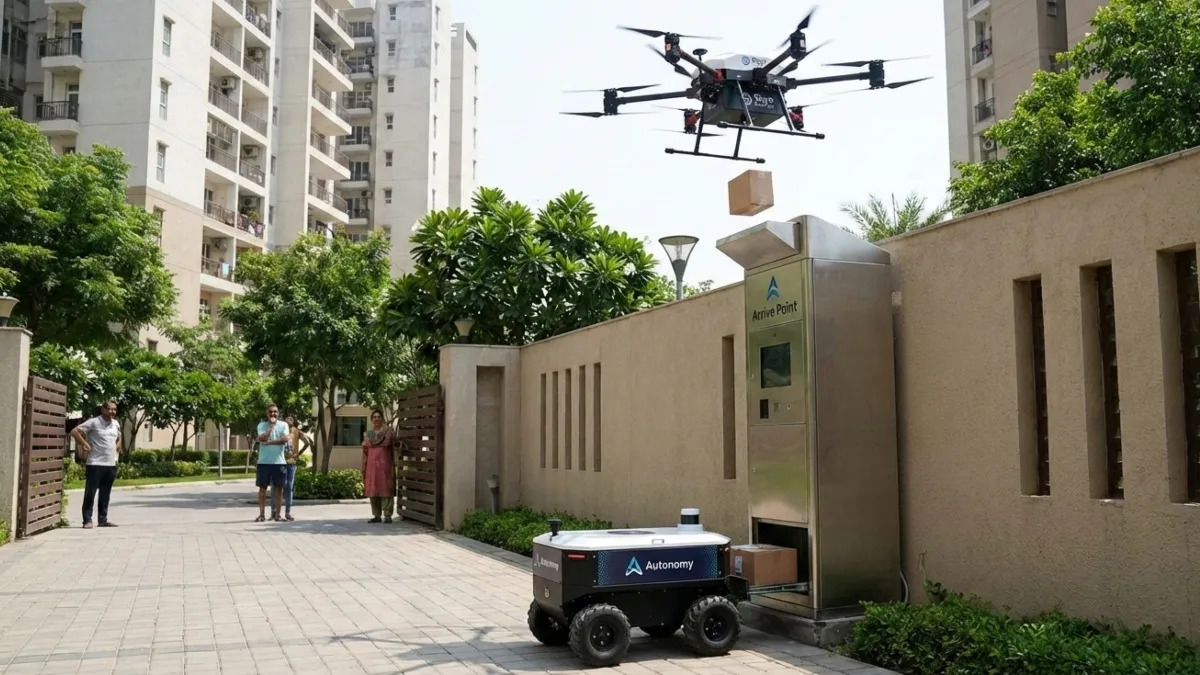
Physical AI systems combine learning software with machines that move, exert force, and interact directly with people and infrastructure. Unlike purely digital systems, failures in physical AI environments can have immediate and tangible consequences. As a result, Thomas has been involved in guiding organizations as they address functional safety, system boundaries, and lifecycle risk during this transition.
Among the organizations he works with is Y Combinator-backed Saphira AI, where he participates in technical discussions focused on how safety assumptions are defined, documented, and revisited as systems evolve beyond early prototypes. His role centers on ensuring that safety considerations remain explicit and maintained as systems scale, rather than remaining fixed at an early validation stage.
Thomas draws on more than 20 years of engineering experience, supported by formal training that includes both a Bachelor’s and a Master’s degree in Robotics. His work extends beyond a single organization and includes engagement with other advanced robotics efforts such as Agtonomy, Burro, Canvas Robotics, RAISE Robotics, and academic programs at the University of California, Riverside that focus on humanoid robotics. In these settings, he contributes to technical discussions that address safety questions often deferred during rapid development cycles.
As a Certified Functional Safety Expert and Certified Machine Safety Expert, Thomas also serves as a member of UL technical committees and participates in multiple ISO working groups. His experience includes reviewing advanced patents, including research originating from NASA, and supporting the training and development of functional safety engineers entering the field.
A recurring theme in his work is the challenge of applying traditional, deterministic safety approaches to learning systems that change over time. According to Thomas, physical AI systems require safety frameworks that account for ongoing adaptation rather than assuming static behavior following validation.
By working with startups, academic programs, and industry teams, Thomas contributes to efforts aimed at aligning safety practices with the realities of physical AI deployment. His perspective emphasizes the importance of designing safety processes that remain active and relevant as systems evolve, supporting trust as robotics and physical AI technologies continue to expand into operational environments.